Brick mason Tips for Blending New and Old Brick

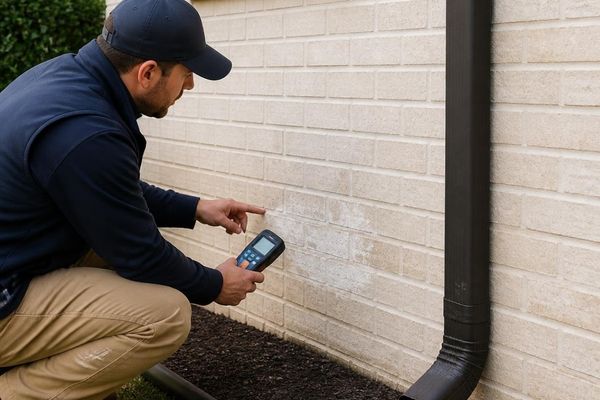
Brickmason replacing a damaged brick while matching new brick and mortar with an existing brick wall for a seamless masonry repair.

Replacing damaged brick sounds straightforward until the new brick goes in and stands out like a fresh patch on an old wall. The color is brighter, the texture looks different, and the repair draws more attention than the damage did. A skilled brick mason knows this going in and works around it. Blending new brick with old takes careful material selection, matched mortar, consistent pattern work, and a realistic understanding of how brick changes over time.

The Brick Industry Association estimates that poorly matched brick repairs are one of the most common complaints homeowners raise after masonry work is completed. Getting the match right from the start saves time, money, and the frustration of a repair that looks worse than the original problem.

Find Brick That Looks Similar

The first challenge is finding a brick that comes close to what’s already on the wall. Brick manufacturers change their formulas over time, and many older brick types are no longer in production. A brickmason starts by examining the existing brick carefully, looking at color, size, surface texture, and how much variation exists across the wall.

Most older brick walls have natural variation. Some bricks are darker, some lighter, and the surface texture shifts slightly from one brick to the next. That variation actually helps a repair because the goal isn’t to copy one brick exactly. It’s to find new brick that falls within the range of colors and textures already present on the wall.

Salvaged brick is worth considering for older homes. Reclaimed material from the same era often carries the weathering and color tone that new brick simply doesn’t have yet.

Use the Right Mortar Color

Mortar covers roughly 15 to 20 percent of any wall face on a standard running bond pattern. A mortar color that doesn’t match the existing joints makes a repair visible from across the street, even when the brick itself is a reasonable match.

Mortar comes in a range of pre-mixed colors, and a brickmason can blend pigments to get closer to an existing joint color. Matching works best on a dry wall in natural daylight. Mortar looks different when wet, and artificial lighting changes how the color reads against surrounding brick.

Mortar strength matters too. Older homes were often built with softer lime-based mortar. Using harder Portland cement mortar on an older wall can cause surrounding brick to crack over time because the two materials expand and contract at different rates. A brickmason selects mortar strength appropriate for the age and condition of the existing wall.

Follow the Same Brick Pattern

Brick walls are laid in specific patterns called bonds. The most common is running bond, where each brick is offset by half a length from the row above and below. Placing new brick in a different pattern breaks the wall’s visual rhythm immediately, even when the brick and mortar colors are close.

A brickmason studies the existing bond before removing any damaged brick and replicates it exactly in the repair area. Joint width is part of the pattern too. If existing joints are three-eighths of an inch wide, new joints should match that width. Wider or narrower joints change the visual spacing of the wall and make the repaired section look out of place.

Give New Brick Time to Blend In

New brick is brighter, cleaner, and more uniform than brick exposed to sun, rain, and temperature changes for years. That difference is normal. It doesn’t mean the repair was done poorly.

Brick weathers gradually. UV exposure fades the surface color. Mineral deposits from rainwater create subtle tone variations. Most new brick repairs become noticeably less visible within one to three years as natural weathering brings the new material closer to the surrounding wall.

Some masons apply a diluted acid wash to new brick to speed up the blending process. It removes some surface brightness and opens the texture slightly so the brick weathers faster. Not every repair needs it, but it’s a useful option when the color difference is significant.

Check the Finished Repair

A completed repair should hold up to close inspection. Check that joint lines are consistent and follow the same horizontal and vertical alignment as the surrounding wall. Joints should be smooth and fully filled with no gaps or crumbling edges. Each new brick face should sit flush with the existing wall surface, not pushed in or protruding out. Any mortar smeared onto the brick face during installation should be cleaned off completely.

Step back roughly 10 to 15 feet and look at the repair from a normal viewing distance. The eye picks up inconsistencies in line and color naturally at that range. If something looks off, it’s worth addressing before the job is considered done.

Frequently Asked Questions

Why doesn’t new brick match old brick right away? 

New brick hasn’t been exposed to weather, sunlight, or environmental buildup yet. Old brick develops its color and texture gradually over years of exposure. The difference is normal and typically fades within one to three years as the new brick weathers.

Can faded brick be matched? 

Getting close is possible, but an exact match is rarely achievable. A brickmason looks for brick that falls within the range of tones already on the wall. Salvaged brick from a similar era often provides the closest match for older homes.

Does mortar change color over time?

Yes. Fresh mortar is lighter and more uniform than aged mortar. It darkens slightly as it cures and continues shifting in tone as it absorbs moisture over time. A brickmason accounts for this when selecting mortar color, choosing a shade that will age toward the existing joint color.

How can I tell if a brick repair was done well?

Look for consistent joint width and alignment, fully filled joints with no gaps, brick faces flush with the surrounding wall, and a clean surface free of mortar smears. Step back to about 10 to 15 feet and check whether the repair blends into the wall or draws the eye.

Can one damaged brick be replaced?

Yes. The damaged brick is carefully cut out without disturbing the surrounding ones, the cavity is cleaned, and a matching replacement is set with fresh mortar. Done correctly, a single brick replacement is clean, stable, and barely noticeable once the mortar cures.

How a Stone Mason Transforms a Backyard Into a Functional Outdoor Space

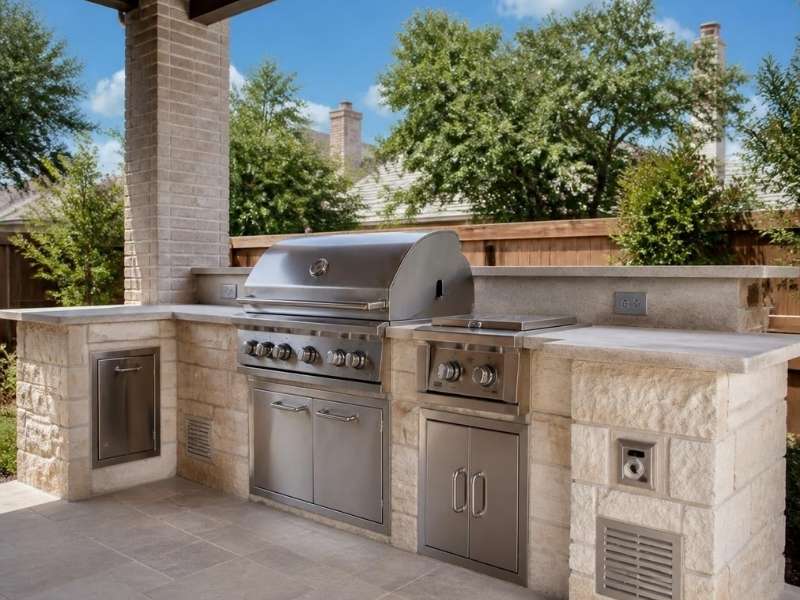
Stone mason creating a functional outdoor space with natural stone retaining walls, fire pit, outdoor kitchen, steps, and patio in a backyard.

A backyard gets used differently than a front yard. It’s where people cook outside, sit around a fire, grow things, and spend real time with family and friends. That kind of daily use needs more than grass and a few potted plants. A stone mason brings the skills and materials to turn an ordinary backyard into a space that works hard and looks good doing it. Natural stone holds up to heavy outdoor use, handles weather without deteriorating, and fits naturally into almost any yard layout.

According to the American Society of Landscape Architects, built-in outdoor features like fire pits, retaining walls, and outdoor kitchens are among the most requested backyard improvements by homeowners. Stone is the material most commonly specified for all three.

Build a Retaining Wall That Does Real Work

A sloped backyard loses usable space fast. Water runs downhill, soil erodes, and large sections of the yard become too steep to use comfortably. A stone retaining wall solves all of that at once.

A retaining wall holds back soil and creates flat, level areas on a sloped lot. Those flat areas become usable space for gardens, seating, or lawn. The wall itself also controls where water flows during heavy rain, which protects both the yard and the home’s foundation from erosion damage.

Stone retaining walls are among the most durable options available. A properly built stone wall can hold its position for decades without significant maintenance. A stone mason calculates the right wall height, thickness, and drainage setup based on the specific slope and soil conditions in the yard. Getting those details right from the start is what keeps the wall stable over time.

Add a Fire Pit Area People Actually Gather Around

A fire pit changes how a backyard feels in the evening. It draws people together, extends the time spent outside into cooler months, and gives the yard a clear focal point. Stone is the most practical material for building one because it handles high heat without cracking or deteriorating the way other materials can.

A stone mason builds more than just the fire pit itself. The area around it matters just as much. A low circular seating wall around the fire pit gives guests somewhere to sit without dragging chairs across the yard every time. The ground surface between the seating wall and the pit should be level and stable, usually flagstone or compacted gravel, so nobody is shifting around on uneven ground.

The layout of the fire pit area affects how comfortable and safe it feels. A mason plans the spacing between the pit and the seating wall carefully, typically 6 to 8 feet from the fire to the inner edge of the seating, so heat stays comfortable rather than overwhelming.

Create an Outdoor Kitchen Foundation

An outdoor kitchen needs a foundation that handles heat, moisture, and the weight of appliances without shifting or cracking over time. Stone is one of the few materials that meets all three demands reliably.

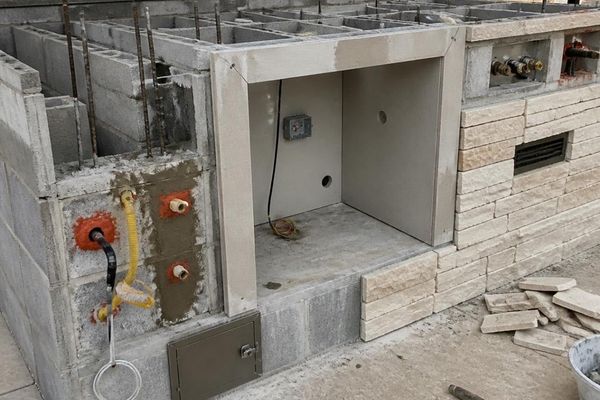
A stone mason builds the base structure, countertop surround, and side walls that hold a built-in grill, side burners, and storage in place. Stone countertops resist heat from cooking surfaces and don’t absorb stains or odors the way wood or tile grout can. The base walls, built from concrete block faced with natural stone, give the whole structure a clean, permanent look that holds up through years of outdoor use.

An outdoor kitchen built on a proper stone foundation is a long-term addition to the property. Unlike freestanding grills or prefab outdoor kitchen kits, a stone structure doesn’t rust, warp, or need replacement after a few seasons.

Use Stone Steps to Connect Different Levels

A backyard with more than one level needs safe, comfortable transitions between them. Worn dirt paths, loose gravel, or uneven timber steps all become hazards over time, especially when the ground is wet.

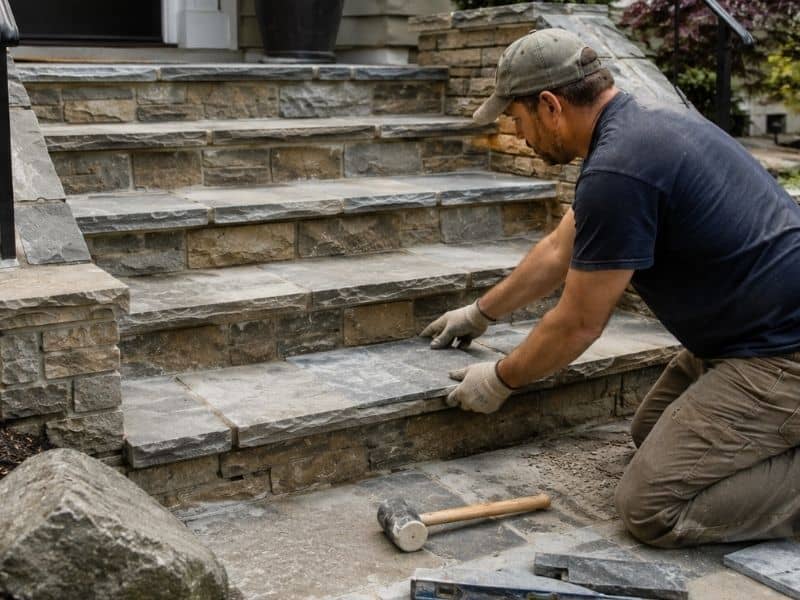
Stone steps solve the problem permanently. A stone mason sets each step into a compacted base so it stays level and stable under foot traffic and through seasonal ground movement. The right step dimensions matter too. A comfortable outdoor step typically runs 12 to 14 inches deep with a rise of 5 to 7 inches. Steps built to those proportions feel natural to walk and don’t cause people to shorten or lengthen their stride awkwardly.

Stone steps also connect visually to other stone features in the yard, tying the whole backyard design together rather than looking like a separate afterthought.

Frame the Yard with Stone Borders and Garden Walls

Stone borders and low garden walls do two things at once. They organize the backyard into clear zones and give planting beds a clean, finished edge that stays put through rain and foot traffic.

A low stone wall around a raised planting bed keeps soil in place, makes the bed easier to maintain, and adds height variation to a flat yard. Stone edging along a lawn border separates grass from garden cleanly without the plastic or metal edging strips that shift and buckle over time.

These features don’t require major construction. A mason can add stone borders and low walls around existing beds and lawn areas without disrupting the rest of the yard. The result is a backyard that looks intentional and well-organized rather than one that just happened over time.

Frequently Asked Questions

What backyard features can a stone mason build?

A stone mason builds retaining walls, fire pit surrounds, outdoor kitchen foundations, stone steps, garden walls, raised planting beds, and stone edging. These features work individually or together as part of a complete backyard design.

Can a stone mason work on a sloped yard?

Yes. Sloped yards are actually where stone masonry adds the most value. Retaining walls create flat, usable space on slopes that would otherwise be difficult to use. A mason assesses the slope, soil type, and drainage before recommending the right wall design and dimensions.

How long does a backyard stone project take to complete?

Smaller projects like garden borders or a fire pit area typically take two to four days. A retaining wall or outdoor kitchen foundation can take one to two weeks depending on the size and site preparation required. Weather and material delivery can also affect the timeline.

Does backyard stonework need a permit?

It depends on the project and local building codes. Retaining walls over a certain height, typically 3 to 4 feet, usually require a permit. Outdoor kitchens with gas connections almost always do. A licensed stone mason familiar with local requirements can advise on what approvals are needed before work begins.

Welcome to Fort Worth Brick & Stone

Fort Worth Brick & Stone specializes in stone masonry and brick masonry construction. Our expertise in masonry covers brickwork, block work, stonework, and all sorts of related products and applications. We serve the City of Fort Worth and surrounding Tarrant County communities.

Call us at (817) 204-6557 to discuss your project.

What is Masonry Work?

Seamless Masonry Stone WallsMasonry is building structures from individual units, which are often laid in and bound together by mortar. Common materials of masonry construction are brick, natural stone (such as marble, granite, travertine, and limestone,) cast stone, concrete block, stucco, tile, and glass block. Masonry is a highly durable form of construction.

The strength and durability of masonry are affected by the materials used, the quality of the mortar, the workmanship, and the pattern in which they are assembled. A person who constructs masonry is called a mason, a brick mason, stone mason, or bricklayer.

Applications of Masonry

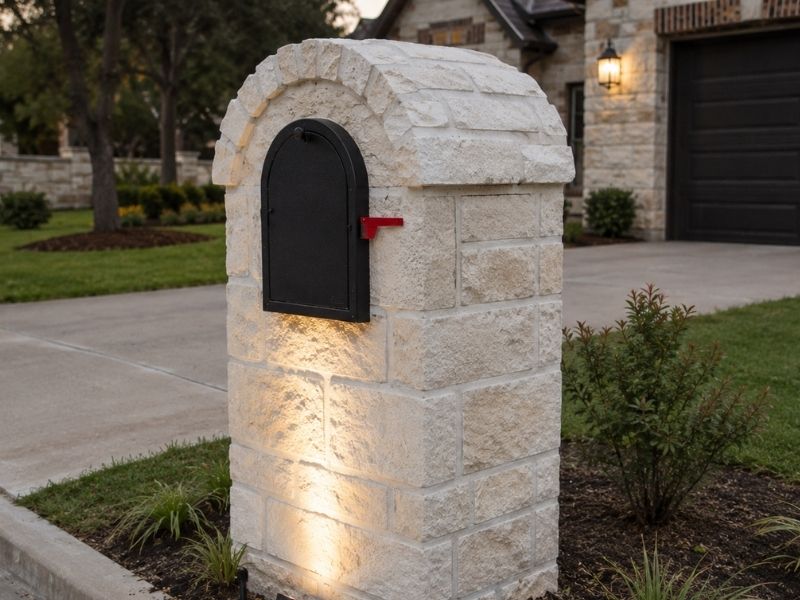
brick stone wall landscapingMasonry is commonly used for walls and buildings, either inside or outside. Brick and concrete block are the most common types of masonry in use and may be either weight-bearing or a veneer.  Stone, both natural and man-made, is being used more and more for decorative features inside, outside and in backyards. Patios, outdoor kitchens, outdoor fireplaces, fire pits, decorative walls, decking, retaining walls, landscaping or hardscaping, and lots of other amenity applications are common place now. Natural stone masonry can provide very aesthetically pleasing projects.

Advantages of Brick or Stone in Building

  • Bricks and stone masonry increases the thermal mass of a building
  • Brick and stone masonry is non-combustible and provides fire protection
  • Brick and stone masonry walls are more resistant to projectiles, such as debris from hurricanes or tornadoes.
  • Brick and stone masonry weathers well and needs much less maintenance over time than other natural materials.
  • No painting is necessary for brick or stone. Color and finish selections are almost endless.
  • Brick and stone masonry typically lasts longer than wood products
  • Brick and stone masonry has higher compressive strength compared to wood and other natural products.
  • Brick and blockwork walls provide excellent sound insulation.
  • Stone does not warp, swell, bend, splinter, or dent.
  • Brick and stone are versatile in their aesthetic appeal and can work well with other construction materials.
  • Use of brick and stone signals a strong sense of permanence and longevity.

Call Fort Worth Brick & Stone at (817) 204-6557 for a free quote on your brick or stone masonry project. Or, fill out the contact form to the right.