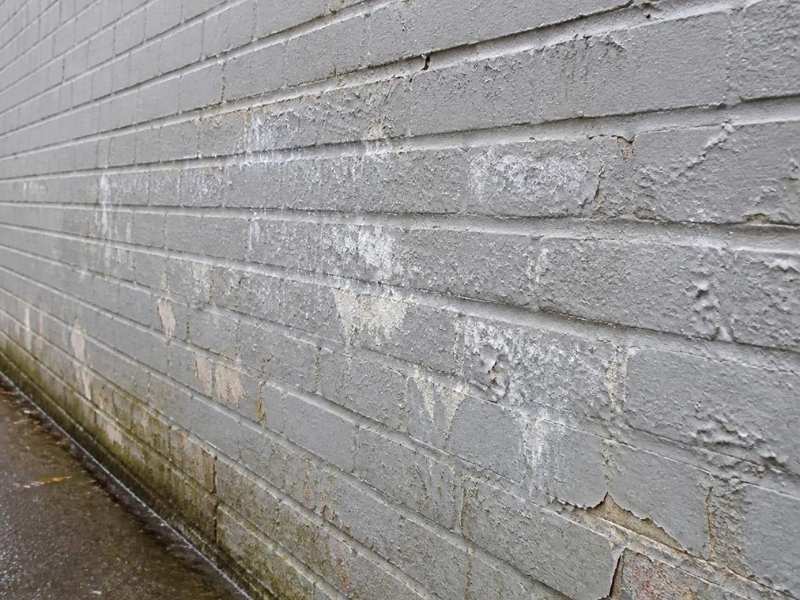
That chalky white haze on painted brick is easy to wipe at and forget. On a painted wall, it means more than dust. White stains on painted brick often show that water is stuck inside the wall with no way out. For developers working in homes and buildings, where painted and whitewashed brick is a popular look and the weather swings from wet spells to winter freezes, that trapped water can quietly damage the brick under the coat. Here is the short version. The stain is a symptom. The real problem sits behind the paint, and painting over it makes it worse.
What the White Stains Are Telling You
The white marks are salt left behind by water. Water moves through brick and mortar, picks up natural salts, and carries them toward the surface. As the water dries, the salt stays behind as a pale, powdery film. On bare brick you can often brush it off. On painted brick the story shifts. The paint blocks the surface, so the salt and the water get stuck, and the stain becomes a warning that the wall is not drying. If you see it come back again and again, the wall is holding water it cannot release.
Why Paint Changes Everything About Moisture
Brick was made to breathe. A raw brick wall soaks up some water and then lets it dry back out through its face. Many common paints seal that face shut. Water still finds ways in, from rain, from the ground, from leaks, or from humid air inside. Once it is in, a sealed face traps it. Breathable masonry coatings let vapor pass through, but standard latex and heavy elastomeric paints hold it back. So the paint that looks clean and fresh can turn the wall into a sponge with a lid on top.
The Damage You Cannot See Under the Coat
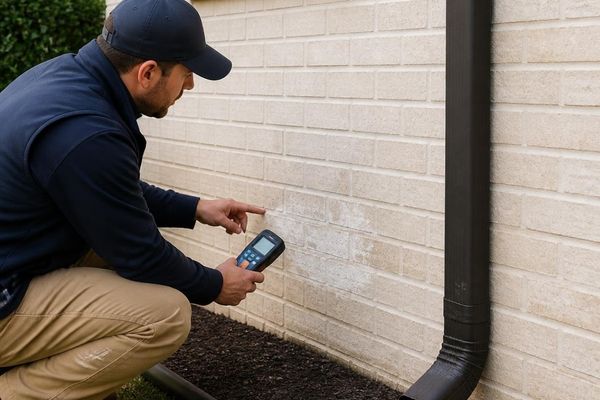
Trapped water does its worst work out of sight. It sits in the brick, freezes on cold nights, expands, and pops small pieces off the face. That is called spalling. When the paint finally peels, chunks of brick face can peel with it. Vapor pressure also pushes the paint off from behind, which shows up as bubbles and blisters. Mortar joints soften and crumble as they stay damp. By the time the surface looks bad, the brick behind it may already be losing its face.
Watch for these signs on a painted brick wall:
- Paint that bubbles, blisters, or peels in patches
- White chalky stains that keep coming back after cleaning
- A damp or musty smell near the wall
- Mortar joints that feel soft or crumble when touched
- Flaking paint that pulls bits of brick off with it
Find the Water Before You Touch the Paint
Fixing the paint first is a waste of money. Water has to be getting in from somewhere, and that source needs to go first. Check the roof, gutters, and downspouts for leaks or overflow that soak the wall. Look at the ground next to the brick. Soil and mulch piled high, or a slope tilting water toward the wall, both push moisture into the base. Watch where sprinklers spray, since a head that hits brick every morning keeps it wet. Inside, high humidity and poor airflow can drive vapor into the wall from behind. Track down the real source, fix it, and the wall gets a chance to dry.
What to Do About Painted Brick That Keeps Staining
Start by stopping the water, then give the wall time to dry fully before any new coating goes on. Do not paint over the stain to hide it, because a fresh coat seals the moisture in and speeds up the damage. Have a mason check the brick under the paint for spalling, soft spots, and failed mortar, since those need repair before anything else. If the paint is a sealing type and the wall stays wet, taking the paint off may be the only way to let the brick breathe again. Use gentle removal, not sandblasting, which chews up the brick face. On any building from before 1978, treat the old paint as possible lead paint and use safe removal steps. When you do repaint, pick a breathable masonry coating so the wall can dry through its face.
A quick word on timing. Wet brick will not hold new paint or repairs well, so plan this work for a dry stretch. Rushing a coating onto a damp wall just restarts the cycle.
Frequently Asked Questions
Does white staining always mean the brick is damaged?
Not always, but it is a signal you should not ignore. A light haze can be simple surface salt. Repeat stains on painted brick point to water that stays trapped, and that trapped water is what harms the brick and mortar over time. Have it checked before it spreads.
Can I just clean the stain off and repaint?
Cleaning removes the look, not the cause. If water is still getting in and the paint still seals the face, the stain returns and the brick keeps taking damage. Fix the water source, let the wall dry, and only then decide on a coating.
Is painted brick a bad idea in a wet or freezing climate?
It can be, if the wrong paint is used. Sealing paints trap water, and freezing water breaks brick from the inside. A breathable masonry coating lowers that risk by letting the wall dry, though no paint replaces good drainage and sound flashing.
How do I know if my paint is breathable?
Check the product type or the old records if you have them. Mineral and silicate masonry coatings are made to pass vapor. Standard latex and thick rubber-like elastomeric paints usually do not. A mason can also test how the wall handles water and tell you what is on it.
Should I strip all the paint off my brick?
Only if the wall stays wet and the paint is sealing it in. Stripping is slow, costly, and can harm brick if done roughly. Many walls do fine once the water source is fixed and a breathable coating goes on. Get a mason’s read before you commit.
