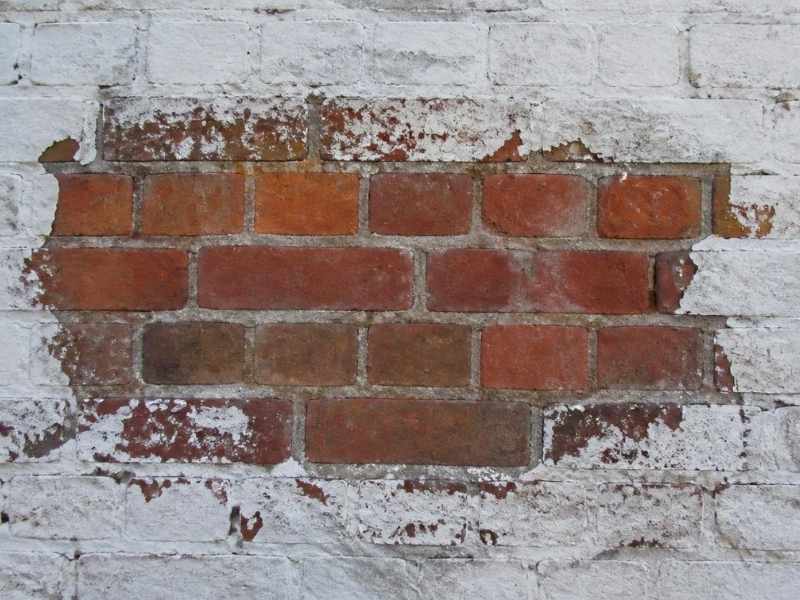
Painted brick can start to feel like a mistake. The color fades, the paint peels, and many owners want the natural brick back. So they set out to strip the paint and return the wall to its original look without causing surface damage.
That goal is understandable, but the process carries real risk. Brick has a hard outer layer that forms during firing. Strip the paint the wrong way, and you can tear off that layer along with it. Once it is gone, the brick underneath is softer, weaker, and open to damage.
Here is the takeaway. Painted brick removal can harm the original fired surface if it is done too aggressively. The fired surface is the tough outer skin that protects the brick. The sections below explain why that skin matters, how removal methods affect it, and how to protect your brick.
Why Painted Brick Removal Can Damage the Fired Face
Brick gets its strength in the kiln. High heat hardens the outer surface into a dense, weather-resistant skin. This fired face is tougher than the brick’s inner core and helps protect the brickwork from water and wear.
Paint clings tightly to that surface, sometimes soaking into the pores. Removing it means pulling against a bond that does not want to let go. Harsh methods that break the bond can also break the fired face. When the skin comes off, the soft interior is exposed.
That exposed core is the real problem. The inside of a brick is more porous than its fired skin. It soaks up water fast once the surface is gone. Over time, that moisture leads to crumbling, flaking, and decay.
How Paint Stripping Methods Affect Brick Surfaces
Not all removal methods are equal. Some are hard on brick, and some are gentler. The method you choose decides whether the fired face survives.
Abrasive methods are the most damaging. Sandblasting and aggressive grinding wear away paint by wearing away the surface. That means the fired skin goes too. Pressure washing at high force can do the same, blasting off the outer layer and driving water deep into the brick, which can leave it more vulnerable to weather exposure.
Chemical strippers work differently and can be safer when used with care. They soften the paint so it can be removed with less force. Even so, the wrong product or too much scrubbing can still harm the surface. Methods and results vary by paint type, brick age, and wall condition, so a mason should guide the approach.
Assessing Brick Condition Before Paint Removal Begins
Smart removal starts with a good look at the brick. Not every wall can handle paint stripping. Checking the condition first tells you what the brick can take.
A mason examines several things before any work begins. They look at the age of the brick, since older brick is often softer. They check for cracks, crumbling, and loose mortar that signal weakness. They also note how many layers of paint are present. Signs a mason watches for include:
- Soft or flaking brick faces
- Existing cracks or spalling
- Loose or failing mortar joints
- Multiple thick layers of old paint
- Areas where the surface already looks worn
This check shapes the whole plan. Brick in good shape may handle careful stripping. Brick that is already weak may be better left painted or handled another way.
Testing Small Areas Before Full-Scale Brick Cleaning
Never strip a whole wall without testing first. A test patch shows how the brick and paint react. It is the safest way to avoid a costly mistake across the entire surface.
A mason picks a small, low-visibility spot to start. They apply the chosen method and watch closely. The test shows whether the paint lifts cleanly and whether the fired face stays intact. If the surface starts to damage, the plan changes before real harm is done.
This step saves brick and money. A failed method on one small patch is easy to accept. The same failure across a full wall is a disaster. Testing gives you real proof of what works before committing to the whole job.
Planning Repairs When the Original Surface Is Compromised
Sometimes the damage is already done. Maybe a past removal stripped the fired face, or the brick was fragile to begin with. When the surface is compromised, a repair plan protects what is left.
A mason has a few ways to help. They can apply a breathable masonry sealer to slow water absorption on exposed brick. They can repoint failing mortar to keep joints tight. In bad cases, they may replace individual bricks that have decayed past saving.
Sometimes the best move is to repaint or coat the brick again. A quality masonry coating can protect a surface that has lost its fired skin. A mason can weigh the options for your wall. The right choice depends on how much damage exists and what look you want.
Frequently Asked Questions
Can you remove paint from brick without damage?
It is possible, but it takes the right method and careful work. Gentle chemical strippers used by an experienced hand are safer than abrasive blasting. The brick’s condition also matters, since weak brick damages easily. A mason can test and guide the process to protect the fired surface.
Why is removing paint from brick risky?
Brick has a hard fired skin that protects it from water and wear. Paint bonds tightly to that skin and can pull it off during removal. Harsh methods like sandblasting strip the surface along with the paint. Once the skin is gone, the softer brick underneath absorbs water and decays.
What is the safest way to strip painted brick?
Careful chemical stripping is usually gentler than abrasive or high-pressure methods. The paint is softened so it lifts with less force on the surface. A test patch first confirms the method works without harm. Because results vary, an experienced mason should choose and manage the approach.
Should I remove paint from old brick?
Older brick is often softer, which makes removal riskier. In some cases the brick is better left painted or recoated. A mason can assess whether your brick can handle stripping. That check helps you avoid turning a cosmetic issue into structural damage.
What if paint removal already damaged my brick?
There are still ways to protect and repair the surface. A mason can seal exposed brick, repoint mortar, or replace badly damaged units. Recoating the wall is another option when the fired skin is gone. The best fix depends on how much damage the brick has taken.
