Brick Hearth Details That Make a Lasting Impact

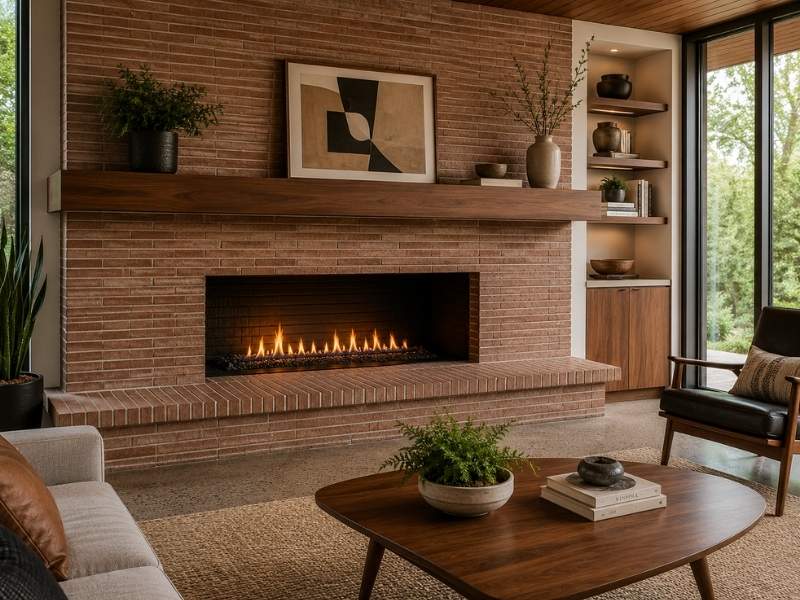
Brick hearth details featuring a modern Roman brick fireplace with a floating walnut mantel, extended hearth, and precision masonry craftsmanship.

A brick hearth often gets judged on the big picture first. People look at the pattern, the color, the overall shape. But the small details are what make one hearth look custom and another look like it came off a template. Brick hearth details are where a good hearth becomes a great one.

Why the Small Details on a Brick Hearth Matter

Most of the decisions that shape a hearth happen at a fairly broad level. Which brick, which pattern, how big the hearth should be. Those choices matter, but they leave a lot of room for smaller decisions. Those small choices can change the whole feel of the final result.

Joint style, edge shape, and small add-ons rarely get much notice during planning. Yet these are often the details a homeowner sees every single day, long after the bigger design choices have faded into the background.

Mortar Joint Styles That Change the Look

The mortar joints between bricks do more work than most people realize. A concave joint, pressed into a slight curve, creates soft shadow lines that give a hearth a classic, old-world look. A flush joint sits level with the brick face. It creates a cleaner, more modern feel by removing that shadow entirely.

A raked joint takes this further. The mortar gets cut back from the brick face, creating a deeper shadow line and a rougher surface. This style tends to suit rustic or farmhouse rooms, where a bit of visible texture fits the rest of the space.

Weathered joints slope slightly outward at the bottom. This helps shed water and dust more easily on hearths that see more daily wear. Choosing the right joint style isn’t just about looks. It also affects how well a hearth holds up and how easy it is to keep clean over time.

Edge Profiles That Add a Custom Touch

Most bricks come with a plain, square edge, but that isn’t the only option for a hearth. A bullnose edge rounds off the corner. This softens the look and lowers the risk of a sharp bump for anyone walking close by.

A chamfered edge cuts the corner at an angle instead of rounding it. This gives a hearth a more geometric, modern look while still softening the sharp edge. Either option works well on a hearth platform that reaches into the room, where people are more likely to brush against the edge.

These edge choices matter more on hearths that sit low to the ground or reach further into a living space. A sharp, square edge on a raised platform can turn into a repeated stubbed toe over the years. A softened edge blends safety with style in a way that doesn’t call attention to itself.

Hearth Extensions and Wings Add Function

A hearth doesn’t have to stop right at the edges of the fireplace opening. Many hearths stretch into wings on either side. This widens the brick surface and creates a broader base for the fireplace to sit within.

These wings often serve a real job beyond looks. A wider hearth gives more room from nearby furniture, which matters for fire safety. It also creates more surface for setting down firewood, tools, or decor without crowding the fireplace opening itself.

Hearth wings also give a designer more room to try new brick detail. The wider surface offers space for a different mortar joint, a contrasting brick color, or a subtle border that ties the wings back to the main hearth surface.

Pairing Trim and Mantel Materials With Brick Details

The materials used around a hearth, especially the mantel and any trim, need to work with the brick details rather than fight against them. A heavily textured raked joint pairs well with a rustic wood mantel. A clean flush joint tends to suit a simpler, more streamlined mantel design.

Metal trim pieces, like a black steel surround or a thin metal ledge along the hearth edge, can highlight the brick’s texture through contrast rather than blending in. This kind of pairing draws attention to the brickwork itself instead of letting it fade into the background.

Getting this pairing right often comes down to matching warmth and formality. A warm-toned brick with a raked joint suits a wood mantel and casual furniture. A cooler-toned brick with flush joints tends to suit sleeker trim and a more formal room.

None of these choices happen alone either. A wing built with a raked joint should usually carry that same joint style across the rest of the hearth. That way, the whole surface reads as one connected piece instead of a patchwork of unrelated parts.

Frequently Asked Questions

What mortar joint style works best for a brick hearth?

A concave joint gives a hearth a classic, old-world look with soft shadow lines. A raked joint adds more texture for a rustic feel. Flush joints create the cleanest, most modern look by removing the shadow line entirely.

What is a hearth extension or wing?

A hearth extension, or wing, is extra brick surface built out to either side of the main fireplace opening. It widens the hearth, adding room from nearby furniture and extra space for tools, firewood, or decor.

Can hearth edge details affect safety clearance?

Yes. A rounded or angled edge on a raised hearth platform lowers the risk of injury from bumping into a sharp corner. This matters most on hearths that reach into high-traffic areas of a room.

Does trim material affect how a brick hearth looks?

Yes. Warm, textured brick details tend to pair well with wood trim, while cleaner, flush brick details often suit metal or simpler trim styles. Matching the tone and texture keeps the whole fireplace area feeling steady and whole.

Are custom hearth details expensive to add?

Not usually. Choices like joint style and edge shape get decided during construction and rarely add much cost, since they mostly involve skill rather than extra materials.

Brick Fireplace Repair: When to Fix It and When to Call a Mason

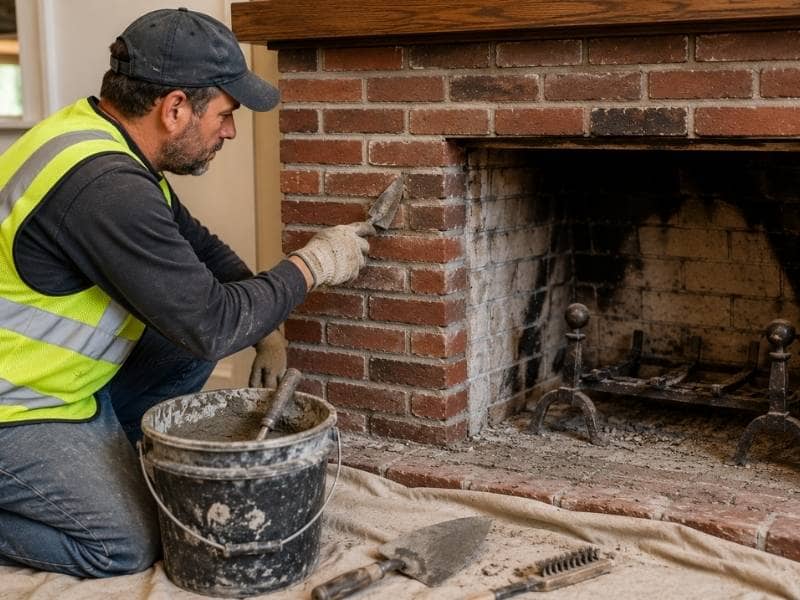
Professional mason wearing a safety vest performing brick fireplace repair by repointing mortar joints on a residential brick fireplace.

A brick fireplace can look fine for years while damage builds quietly inside. Small cracks get ignored. Mortar crumbles a little more each winter. A smoky smell gets blamed on the weather. None of these feel urgent until the damage becomes too big to ignore, and by then the repair costs more than it needed to.

Knowing what to look for and when to act makes a real difference. The Chimney Safety Institute of America reports that deteriorating masonry is the leading cause of chimney-related home fires. Most of those situations started as small problems that went unfixed too long.

Spot the Early Warning Signs

Brick fireplace damage rarely shows up all at once. It builds slowly through small changes that are easy to miss.

Cracks in the brick or mortar joints are the most common early sign. One small crack in an isolated spot is usually minor. Cracks that run across several rows, or show up on both the inside of the firebox and the outside of the chimney, suggest something more serious is going on.

Spalling is another clear signal. That’s when the face of a brick chips or flakes off in pieces. It happens when water soaks into the brick, freezes, and expands. Once spalling starts, it spreads. Each damaged brick lets in more moisture, and the problem grows worse every winter.

White powder on the brick surface is called efflorescence. It isn’t structural damage on its own, but it means water is moving through the masonry. That’s a sign worth paying attention to.

A smoky smell in the room when the fireplace isn’t running points to gaps in the liner or failing mortar joints. Combustion gases are seeping through the masonry instead of traveling up the flue where they belong.

Understand What Causes the Damage

Brick fireplace damage comes from a few consistent sources. Knowing which one is at work points toward the right fix.

Water causes most of the damage. Rain gets in through a cracked chimney cap, worn flashing, or open mortar joints at the top of the chimney. Once inside, water works its way down through the masonry. In cold weather it freezes, expands, and widens every crack it finds. Over several winters, small gaps become serious ones.

Settlement is another cause. As a home shifts slightly over decades, the fireplace and chimney move with it. That movement stresses the masonry and opens cracks, usually diagonal ones that follow the mortar joints rather than cutting through the brick itself.

Heat stress works on the inside of the firebox. The big temperature swings between a hot fire and a cold firebox cause the interior brick and mortar to expand and contract over and over. That repeated movement breaks down the firebox lining and opens gaps over time.

Know Which Repairs Are Minor and Which Are Not

Not every crack or stain needs emergency attention. But some damage is more serious than it looks.

Repointing means removing old, crumbling mortar from the joints and replacing it with fresh mortar. It’s the right fix when mortar is soft or recessed more than a quarter inch from the brick face, but the bricks themselves are still solid. A mason can repoint a damaged section without disturbing the rest of the wall.

Replacing individual spalled or cracked bricks is also a contained repair when caught early. A single brick can be cut out and replaced with a matching piece without affecting the surrounding structure.

Firebox liner damage is more serious. Cracks in the panels inside the combustion chamber let heat reach the surrounding masonry directly. The National Fire Protection Association says a damaged firebox liner is a safety issue that should be fixed before the fireplace is used again. Repair means replacing the damaged panels or sealing gaps with heat-resistant cement, depending on how bad the damage is.

A cracked chimney crown is easy to overlook because it sits at the top of the chimney and can’t be seen from the ground. The crown directs water away from the flue opening. When it cracks or crumbles, water runs straight into the chimney structure. Fixing the crown stops most of the water damage that causes problems lower down.

Know When to Call a Mason

Some fireplace problems are visible and contained. Others point to something more serious happening inside the structure.

Call a mason when cracks are wide enough to fit a coin into, when bricks are shifting or bulging out of place, or when the inside of the firebox shows heavy spalling across several rows. These are signs the structure itself is compromised, not just the surface.

A smoky room during normal fireplace use, after ruling out a blocked flue, can mean the liner has collapsed or deteriorated badly. That needs a professional look before the fireplace runs again. If a carbon monoxide detector goes off near the fireplace during use, stop using it immediately and call a mason for a full inspection.

A licensed mason can assess damage that isn’t visible from inside the room and recommend repairs that match the actual problem rather than just what’s visible on the surface.

Prevent Problems Before They Start

The most effective repair is the one that never becomes necessary. A few simple habits keep small deterioration from turning into structural damage.

Get the fireplace and chimney inspected once a year, before the heating season starts. The Chimney Safety Institute of America recommends annual inspections for any fireplace used regularly. An inspector checks the liner, mortar joints, crown, flashing, and cap in one visit and spots small problems while they’re still inexpensive to fix.

Keep the chimney cap in good shape. A properly fitted cap keeps rain, snow, and animals out of the flue. A damaged or missing cap is the fastest way to introduce water damage into the chimney.

Fix small mortar problems promptly. Waiting a season turns a repointing job into a brick replacement. Waiting longer can turn a brick replacement into a partial chimney rebuild.

Frequently Asked Questions

How do I know if my brick fireplace needs repair?

Look for cracked or chipping brick, crumbling mortar joints, white powder on the brick surface, and any smoky smell when the fireplace isn’t in use. Any of these signs point to moisture damage or failing masonry that should be checked before the fireplace runs through another winter.

Is a small crack in the firebox serious?

It depends on where it is. A hairline crack on the exterior brick is usually minor. Cracks inside the firebox are more serious because they let heat and combustion gases reach the surrounding masonry. The National Fire Protection Association recommends fixing firebox liner damage before using the fireplace again.

What is spalling and why does it happen?

Spalling is when the face of a brick chips or flakes off. Water soaks into the brick, freezes, and expands, breaking the surface apart. It tends to spread because each damaged brick absorbs even more moisture. Fixing spalled bricks early stops the problem from growing.

Can I repair brick fireplace mortar joints myself?

Minor repointing on outside joints is something a careful homeowner can handle. Repairs inside the firebox are different. The mortar used inside the combustion chamber is a specialized material, and a wrong repair can create gaps that let heat reach the structure around it. A mason handles firebox repairs more reliably.

How often should a brick fireplace be inspected?

Once a year, before the heating season starts. The Chimney Safety Institute of America recommends annual inspections for any fireplace used regularly. An inspection each year catches small problems early, before they turn into expensive repairs.

Brick mason Tips for Blending New and Old Brick

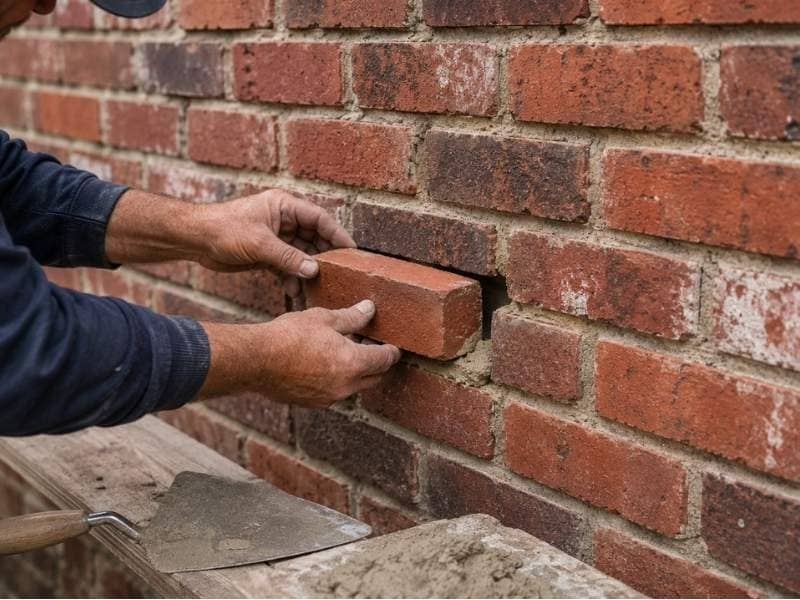
Brickmason replacing a damaged brick while matching new brick and mortar with an existing brick wall for a seamless masonry repair.

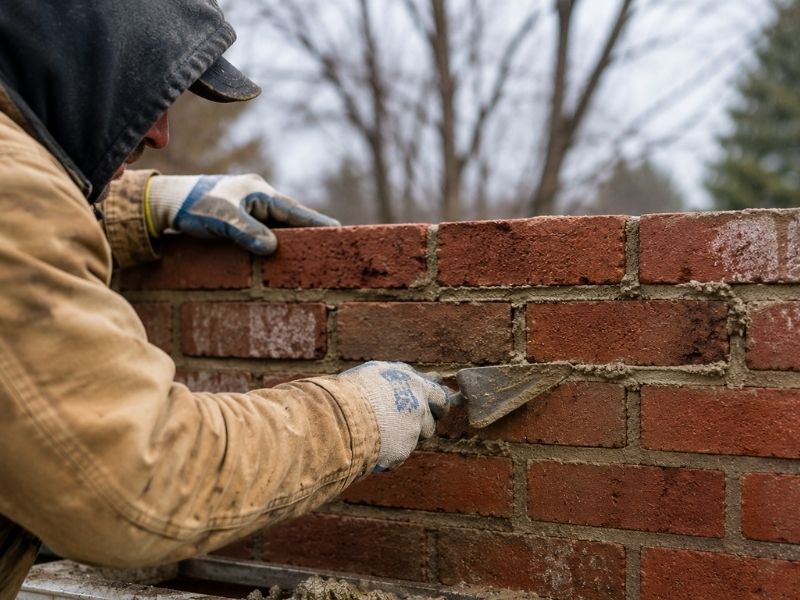
Replacing damaged brick sounds straightforward until the new brick goes in and stands out like a fresh patch on an old wall. The color is brighter, the texture looks different, and the repair draws more attention than the damage did. A skilled brick mason knows this going in and works around it. Blending new brick with old takes careful material selection, matched mortar, consistent pattern work, and a realistic understanding of how brick changes over time.

The Brick Industry Association estimates that poorly matched brick repairs are one of the most common complaints homeowners raise after masonry work is completed. Getting the match right from the start saves time, money, and the frustration of a repair that looks worse than the original problem.

Find Brick That Looks Similar

The first challenge is finding a brick that comes close to what’s already on the wall. Brick manufacturers change their formulas over time, and many older brick types are no longer in production. A brickmason starts by examining the existing brick carefully, looking at color, size, surface texture, and how much variation exists across the wall.

Most older brick walls have natural variation. Some bricks are darker, some lighter, and the surface texture shifts slightly from one brick to the next. That variation actually helps a repair because the goal isn’t to copy one brick exactly. It’s to find new brick that falls within the range of colors and textures already present on the wall.

Salvaged brick is worth considering for older homes. Reclaimed material from the same era often carries the weathering and color tone that new brick simply doesn’t have yet.

Use the Right Mortar Color

Mortar covers roughly 15 to 20 percent of any wall face on a standard running bond pattern. A mortar color that doesn’t match the existing joints makes a repair visible from across the street, even when the brick itself is a reasonable match.

Mortar comes in a range of pre-mixed colors, and a brickmason can blend pigments to get closer to an existing joint color. Matching works best on a dry wall in natural daylight. Mortar looks different when wet, and artificial lighting changes how the color reads against surrounding brick.

Mortar strength matters too. Older homes were often built with softer lime-based mortar. Using harder Portland cement mortar on an older wall can cause surrounding brick to crack over time because the two materials expand and contract at different rates. A brickmason selects mortar strength appropriate for the age and condition of the existing wall.

Follow the Same Brick Pattern

Brick walls are laid in specific patterns called bonds. The most common is running bond, where each brick is offset by half a length from the row above and below. Placing new brick in a different pattern breaks the wall’s visual rhythm immediately, even when the brick and mortar colors are close.

A brickmason studies the existing bond before removing any damaged brick and replicates it exactly in the repair area. Joint width is part of the pattern too. If existing joints are three-eighths of an inch wide, new joints should match that width. Wider or narrower joints change the visual spacing of the wall and make the repaired section look out of place.

Give New Brick Time to Blend In

New brick is brighter, cleaner, and more uniform than brick exposed to sun, rain, and temperature changes for years. That difference is normal. It doesn’t mean the repair was done poorly.

Brick weathers gradually. UV exposure fades the surface color. Mineral deposits from rainwater create subtle tone variations. Most new brick repairs become noticeably less visible within one to three years as natural weathering brings the new material closer to the surrounding wall.

Some masons apply a diluted acid wash to new brick to speed up the blending process. It removes some surface brightness and opens the texture slightly so the brick weathers faster. Not every repair needs it, but it’s a useful option when the color difference is significant.

Check the Finished Repair

A completed repair should hold up to close inspection. Check that joint lines are consistent and follow the same horizontal and vertical alignment as the surrounding wall. Joints should be smooth and fully filled with no gaps or crumbling edges. Each new brick face should sit flush with the existing wall surface, not pushed in or protruding out. Any mortar smeared onto the brick face during installation should be cleaned off completely.

Step back roughly 10 to 15 feet and look at the repair from a normal viewing distance. The eye picks up inconsistencies in line and color naturally at that range. If something looks off, it’s worth addressing before the job is considered done.

Frequently Asked Questions

Why doesn’t new brick match old brick right away? 

New brick hasn’t been exposed to weather, sunlight, or environmental buildup yet. Old brick develops its color and texture gradually over years of exposure. The difference is normal and typically fades within one to three years as the new brick weathers.

Can faded brick be matched? 

Getting close is possible, but an exact match is rarely achievable. A brickmason looks for brick that falls within the range of tones already on the wall. Salvaged brick from a similar era often provides the closest match for older homes.

Does mortar change color over time?

Yes. Fresh mortar is lighter and more uniform than aged mortar. It darkens slightly as it cures and continues shifting in tone as it absorbs moisture over time. A brickmason accounts for this when selecting mortar color, choosing a shade that will age toward the existing joint color.

How can I tell if a brick repair was done well?

Look for consistent joint width and alignment, fully filled joints with no gaps, brick faces flush with the surrounding wall, and a clean surface free of mortar smears. Step back to about 10 to 15 feet and check whether the repair blends into the wall or draws the eye.

Can one damaged brick be replaced?

Yes. The damaged brick is carefully cut out without disturbing the surrounding ones, the cavity is cleaned, and a matching replacement is set with fresh mortar. Done correctly, a single brick replacement is clean, stable, and barely noticeable once the mortar cures.

Welcome to Fort Worth Brick & Stone

Fort Worth Brick & Stone specializes in stone masonry and brick masonry construction. Our expertise in masonry covers brickwork, block work, stonework, and all sorts of related products and applications. We serve the City of Fort Worth and surrounding Tarrant County communities.

Call us at (817) 204-6557 to discuss your project.

What is Masonry Work?

Seamless Masonry Stone WallsMasonry is building structures from individual units, which are often laid in and bound together by mortar. Common materials of masonry construction are brick, natural stone (such as marble, granite, travertine, and limestone,) cast stone, concrete block, stucco, tile, and glass block. Masonry is a highly durable form of construction.

The strength and durability of masonry are affected by the materials used, the quality of the mortar, the workmanship, and the pattern in which they are assembled. A person who constructs masonry is called a mason, a brick mason, stone mason, or bricklayer.

Applications of Masonry

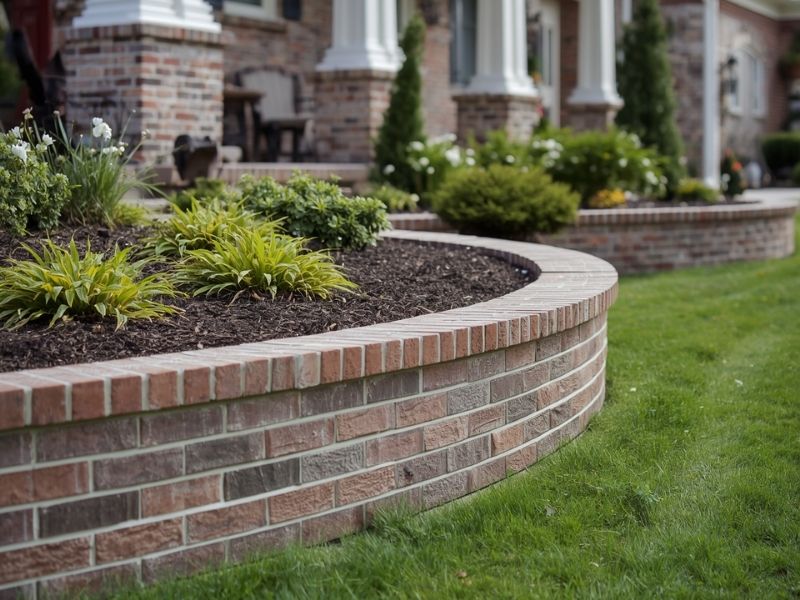
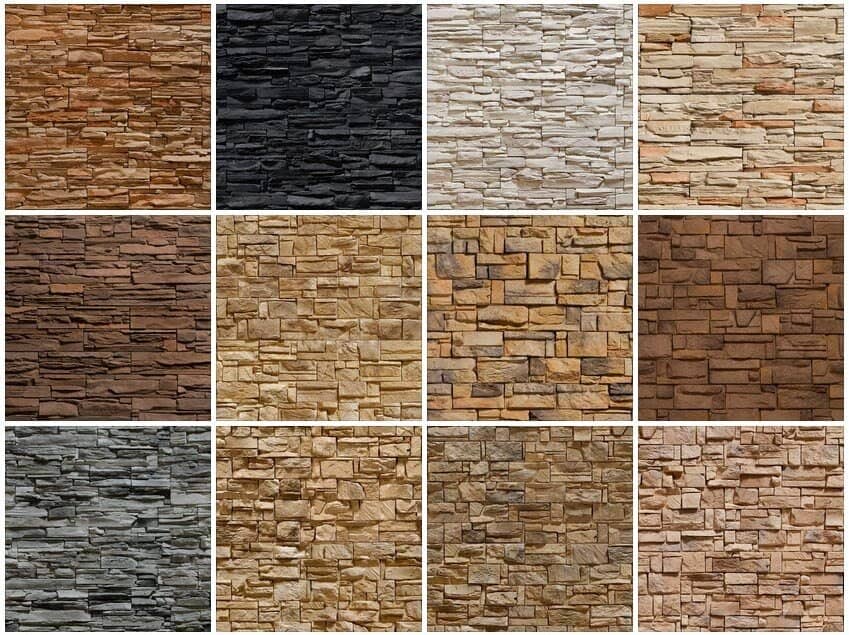
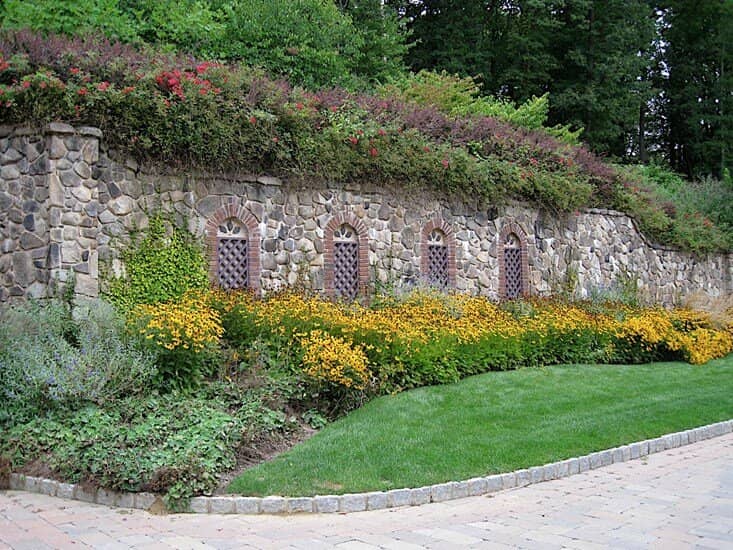
brick stone wall landscapingMasonry is commonly used for walls and buildings, either inside or outside. Brick and concrete block are the most common types of masonry in use and may be either weight-bearing or a veneer.  Stone, both natural and man-made, is being used more and more for decorative features inside, outside and in backyards. Patios, outdoor kitchens, outdoor fireplaces, fire pits, decorative walls, decking, retaining walls, landscaping or hardscaping, and lots of other amenity applications are common place now. Natural stone masonry can provide very aesthetically pleasing projects.

Advantages of Brick or Stone in Building

  • Bricks and stone masonry increases the thermal mass of a building
  • Brick and stone masonry is non-combustible and provides fire protection
  • Brick and stone masonry walls are more resistant to projectiles, such as debris from hurricanes or tornadoes.
  • Brick and stone masonry weathers well and needs much less maintenance over time than other natural materials.
  • No painting is necessary for brick or stone. Color and finish selections are almost endless.
  • Brick and stone masonry typically lasts longer than wood products
  • Brick and stone masonry has higher compressive strength compared to wood and other natural products.
  • Brick and blockwork walls provide excellent sound insulation.
  • Stone does not warp, swell, bend, splinter, or dent.
  • Brick and stone are versatile in their aesthetic appeal and can work well with other construction materials.
  • Use of brick and stone signals a strong sense of permanence and longevity.

Call Fort Worth Brick & Stone at (817) 204-6557 for a free quote on your brick or stone masonry project. Or, fill out the contact form to the right.