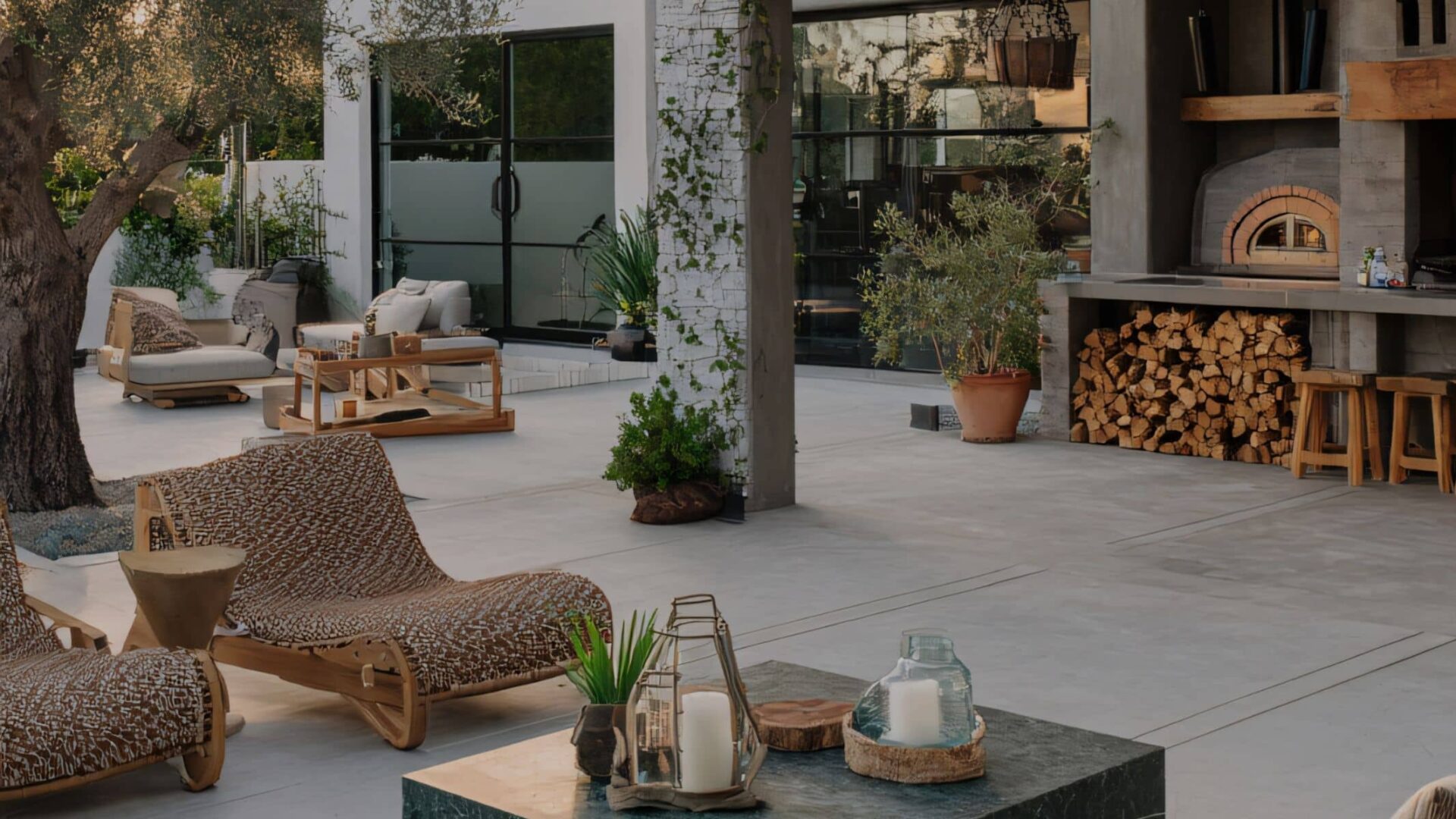
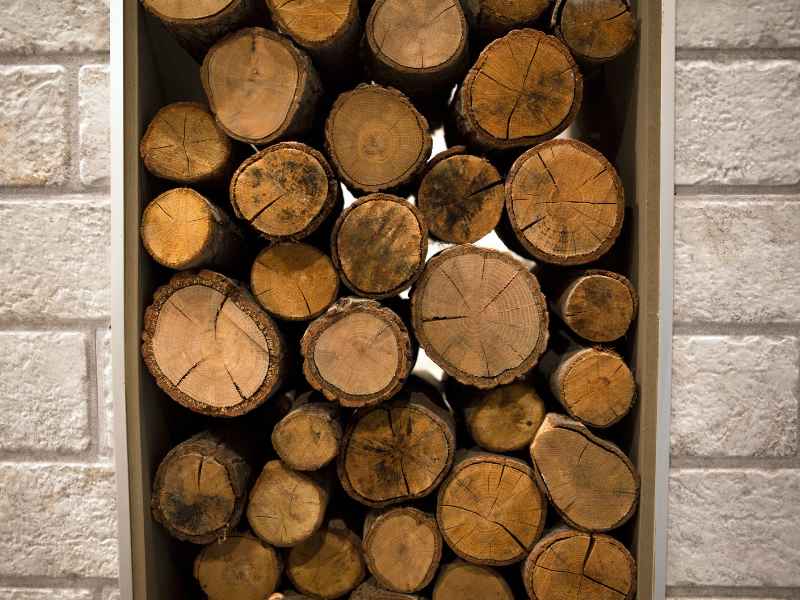
An outdoor fireplace looks finished when the firewood has a place of its own. Without built-in storage, logs end up stacked against the wall, piled on the patio, or kept in a plastic rack that doesn’t match anything. Built-in niches solve that and give the fireplace a cleaner, more complete look.
Niches only work well when they’re planned with the fireplace from the start. Size, location, and drainage all affect how useful they are and how long the masonry around them lasts. A little planning keeps the wood dry, the stone or brick clean, and the whole structure easier to use.
Choosing Firewood Niche Locations on an Outdoor Fireplace
Most niches sit in the side wings next to the firebox or in the base below the hearth. Those spots keep wood close to the fire without blocking the opening. They also balance the look of the fireplace when they’re placed on both sides.
Keep heat in mind. Niches that share a wall with the firebox can get warm, so there should be solid masonry between the fire and the stored wood. Clearances can vary by design, materials, local code, and any insert or firebox manufacturer’s instructions.
Think about how people will reach the wood. A niche should be easy to grab from without stepping across the hearth or squeezing past chairs. Check which side of the fireplace faces seating and traffic before you decide.
Outdoor Fireplace Niche Dimensions and Storage Capacity
Firewood length drives the niche depth. Many split logs are cut around 16 inches, so niches are often built deep enough to hold that length with a little room behind it. Measure the wood you actually buy before the design is final.
Height and width depend on the size of the fireplace and the look you want. Tall, narrow niches stack more wood in less wall space, while wide openings feel more open and are easier to load. Square openings, arches, and openings with a stone lintel across the top each change the style.
Be realistic about capacity. A niche is meant to hold a few fires’ worth of wood, not a full season’s supply. Most homeowners still keep a larger stack elsewhere in the yard and refill the niches as needed.
Selecting Masonry Materials for Durable Outdoor Storage Compartments
The niche should match the fireplace. Brick masonry niches suit brick fireplaces, and stone masonry niches suit stone fireplaces, whether the stone is full-depth or a veneer over a block core. The choice usually depends on appearance, existing masonry, maintenance, and budget.
The top of each opening needs support. Masons often use a steel lintel, a stone lintel, or an arch to carry the masonry above. Steel lintels should be protected from rust so they don’t stain or crack the surrounding brick or stone.
The floor of the niche takes the most wear. Logs get dragged in and out, and bark and dirt collect there. A solid stone or brick floor that’s easy to sweep holds up better than loose material.
Protecting Stored Firewood From Moisture and Ground Contact
Wet wood burns poorly and invites insects. The niche floor should sit above the patio surface so rainwater and splash don’t run inside. A slight slope toward the front helps any water drain out.
Airflow matters too. Open-front niches let wood breathe and dry, while closed doors can trap moisture. Leave a small gap behind the stack so air can move around the logs.
Cover the niches if you can. A fireplace with a deep cap, mantel overhang, or a covered patio keeps rain off the openings. Store only a small amount of wood in the niches at once, and keep the main woodpile away from the house.
Integrating Firewood Niches Into the Outdoor Fireplace Design
Niches should look like part of the fireplace. Matching joint lines, stone sizes, and cap details helps them blend in. Symmetry on both sides of the firebox usually looks best, though an off-center design can work with the right layout.
Plan them before the foundation goes in. Niches add weight and width, so the footing has to carry the full structure. Adding them later often means cutting into finished masonry or building a separate wing that doesn’t match.
Think about the whole outdoor space. Niches can line up with seating walls, an outdoor kitchen counter, or the edge of a stone patio or brick patio. Lighting inside or above the niches adds a nice touch at night and makes grabbing wood easier.
Frequently Asked Questions
How deep should a firewood niche be?
Deep enough to hold your logs with a little room behind them. Many split logs are around 16 inches long. Measure the wood you use before final design. A mason can size the niche to fit.
Can stored firewood get too hot next to the firebox?
It can if the niche sits too close to the fire. Solid masonry between the firebox and the niche helps. Clearances can vary by design and local code. Your mason should plan the spacing during design.
Should firewood niches have doors?
Most work best open. Doors can trap moisture and slow drying. Open niches also make loading easier. If you want a cleaner look, ask about vented or partially open designs.
