
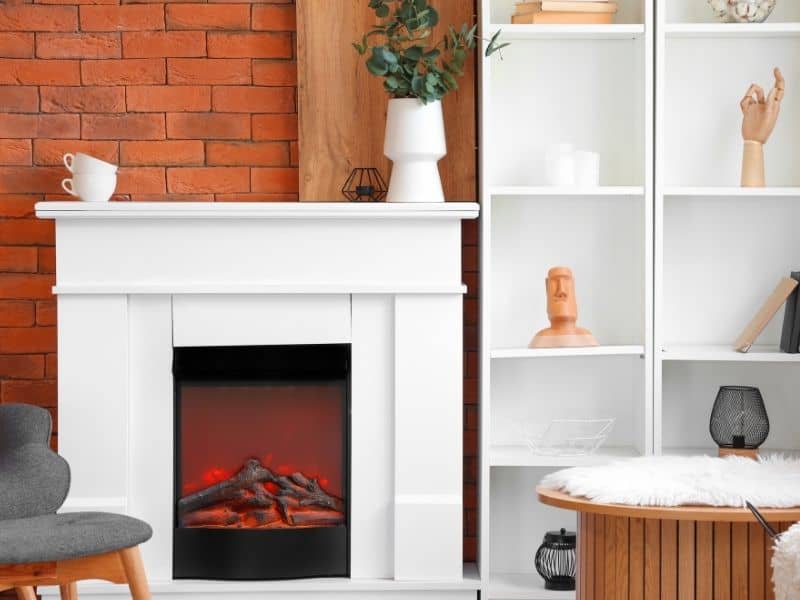
A brick fireplace flanked by built-in shelves can turn one wall into the best-looking part of the house. The brick gives the room weight and warmth, and the shelves add storage and a place for books, art, and family photos. The problem is that masonry and cabinetry are built by different trades on different timelines, and the wall only looks right when both are planned together.
That’s the main takeaway here. Decide the brick layout, shelf sizes, mantel height, and fire clearances before anyone lays a brick or builds a cabinet box. The sections below explain how to plan the facade, choose brick, handle the joints between materials, meet clearance needs, and keep the surfaces looking good.
Planning Brick Fireplace Facades Around Built-In Shelving
Start with the full wall, not just the fireplace. Measure the width from corner to corner, the ceiling height, and the position of windows, outlets, and vents. Then decide how wide the brick facade will be and how much space is left for shelving on each side.
Symmetry usually works best on a fireplace wall. Equal shelf units on both sides make the brick feel centered and planned. If the firebox sits off-center, a mason can sometimes widen the facade on one side to balance the wall visually.
Talk through these points with your mason and cabinet builder early:
- Whether the brick runs to the ceiling or stops at the mantel
- How far the brick face projects from the wall
- Which gets installed first, the brickwork or the cabinets
- Where wiring for shelf lighting or a TV will run
In most projects, the brick goes in first and the cabinets are built to fit it. Masonry has small variations in size, so cabinetry measured from finished brick fits better. If you’re refacing an existing brick fireplace, have a mason check the current brick and mortar for damage before shelving locks the wall in place.
Choosing Brick Colors and Textures That Complement Shelves
The brick and shelves should contrast enough to read as two materials but share some common color. A warm red brick pairs well with white, cream, or natural wood shelves. Lighter tan or gray brick suits painted cabinetry in deeper tones like navy, green, or charcoal.
Texture matters as much as color. Smooth, uniform brick gives a clean, modern look that matches flat cabinet doors. Tumbled or wire-cut brick has more character and fits traditional rooms with raised-panel doors or open wood shelving.
Mortar color changes the whole look of brick masonry. Light mortar highlights each brick and makes the pattern stand out. Mortar close to the brick color lets the facade read as one surface, which can feel calmer next to busy shelves full of books.
Bring a cabinet door sample or paint chip when you pick brick. Look at both under your room’s light, not just in a showroom. Reclaimed brick, thin brick, and full-size brick can all work, and the right one depends on the look you want, your budget, and how much depth the wall can take.
Creating Clean Transitions Between Brickwork and Cabinetry
The joint where brick meets wood is where most fireplace walls look unfinished. Brick is never perfectly straight, so a cabinet butted tight against it will show uneven gaps. A good transition hides that variation on purpose.
A scribe strip is a thin piece of trim cut to follow the brick’s edge. The cabinet installer shapes it so it fits tight against the masonry. This closes the gap cleanly without forcing the cabinet itself to match an uneven surface.
Some designers prefer a small, even gap between brick and shelving, often about half an inch. This reveal creates a crisp shadow line that separates the two materials. It looks intentional and forgives minor variations in the brick.
Plan the brick returns as well. A return is where the brick wraps back toward the wall on the side of the facade. Clean, square returns give the cabinets a solid edge to meet, and they look much better than a raw brick end peeking past the shelves.
Coordinating Mantel Placement, Shelf Depth, and Fireplace Clearances
Fire safety sets the limits for everything near the opening. Wood mantels, shelf boxes, trim, and cabinet faces are combustible materials. Codes and fireplace manufacturers set minimum distances between the firebox opening and anything that can burn, and those distances often depend on how far the material projects from the wall.
Confirm the exact numbers with your fireplace’s installation manual and your local building department. Gas inserts, wood-burning fireboxes, and factory-built units can each have different requirements. Don’t rely on what worked in a neighbor’s house, because a small change in mantel depth can change the required clearance.
Mantel height and shelf depth also need to work visually. A mantel that lines up with a shelf or cabinet top ties the whole wall together. Shelves are usually shallower than the brick facade projects, which lets the fireplace stand forward as the focal point.
Think about heat as well as fire codes. Shelves close to the opening can get warm, which may dry out wood, fade finishes, or damage items stored there. Keep candles, electronics, and delicate objects on the shelves farthest from the firebox.
Maintaining Brick Fireplace Surfaces Near Built-In Storage
Brick near cabinetry needs gentle cleaning. Harsh brick cleaners and acid washes can stain wood finishes, damage paint, or soak into cabinet edges. Mask the shelving with painter’s tape and plastic before any deep cleaning.
For routine care, dry brushing and vacuuming handle most dust and light soot. A mild soap and water mix works on most interior brick when the stain needs more. Test any cleaner in a hidden spot first and rinse lightly so water doesn’t run into the cabinet joints.
Watch the joints between brick and wood over time. Small cracks in caulk or trim usually show normal seasonal movement and are easy to touch up. Loose bricks, crumbling mortar, or soot stains above the opening point to a fireplace problem that a mason should look at before it gets worse.
Frequently Asked Questions
Should the brick or the shelving be installed first?
In most projects, the brick goes in first. Masonry has small size variations that cabinet makers can measure and fit around. Building cabinets first often leaves awkward gaps against the brick. Your mason and cabinet builder should agree on the order before work starts.
Can built-in shelves be added next to an existing brick fireplace?
Yes, shelves are often added beside an existing fireplace. The brick should be checked for loose units, cracked mortar, or damage first. Clearances to the opening still apply to new cabinetry. A scribe strip or reveal can handle any unevenness in older brick.
How close can wood shelving be to a brick fireplace opening?
The allowed distance depends on your fireplace type, how far the wood projects, and local code. Manufacturers list clearances in the installation manual. Your building department can confirm what applies to your home. Measure from the firebox opening, not from the outer edge of the brick.
What brick color works best with white built-ins?
Warm red, brown, and multicolored brick all contrast nicely with white shelving. Painted or whitewashed brick can also work for a softer, matched look. The choice depends on your flooring, trim, and how bold you want the fireplace to be. Compare samples in your own room before deciding.
How do I clean brick without damaging nearby cabinets?
Protect the cabinets with tape and plastic before cleaning. Start with a dry brush or vacuum to remove loose dust and soot. Use mild soap and water for tougher spots and avoid acid-based cleaners. Rinse lightly so moisture doesn’t seep into wood joints.
