
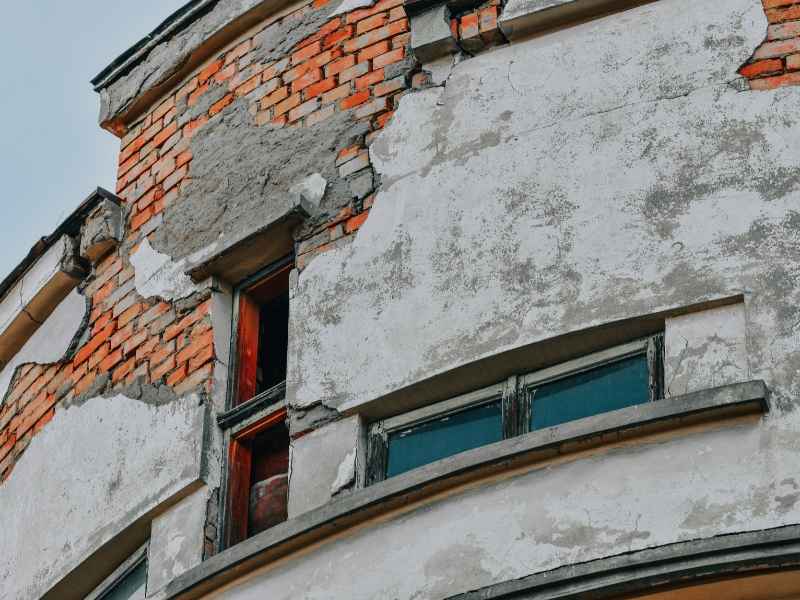
A masonry contractor finds the cause before patching the symptom, since filling a crack without fixing the reason just schedules the next repair. Get the wall looked at early, and the fix is often smaller than you’d expect. Cracks around second-story windows are easy to ignore because you can’t see them up close. They usually point to something working against the wall, such as a rusting steel lintel, a moving foundation, or water getting in where it shouldn’t.
Identifying Causes of Brick Cracks Around Upper-Story Windows
Window openings are weak spots in any brick wall. The brick above the window rests on a lintel, usually a steel angle in residential construction, and any problem with that support shows up in the brick around it. Cracks tend to start at the corners of the opening and spread outward.
Common causes include the following.
- Rusting steel lintels that expand and push brick upward or outward
- Foundation or soil movement that shifts the wall below the window
- Missing or failed flashing that lets water into the wall
- Thermal movement without enough room for the brick to expand
- Deteriorated mortar that no longer holds units in place
The crack pattern gives clues. Stair-step cracks that follow mortar joints often suggest movement in the wall or foundation. A horizontal crack right at the lintel, especially with rust staining, usually points to the lintel itself.
How a Masonry Contractor Evaluates Window Lintels and Mortar Joints
The lintel gets checked first. Rust flaking, visible bowing, or brick lifting at the ends of the opening all signal trouble. The masonry contractor also looks at how far the lintel bears onto the brick at each end, since short bearing can lead to cracking.
Flashing and weep holes come next. Flashing is a waterproof layer above the lintel that sends water out of the wall, and weep holes are small openings in the mortar that let it drain. When either one is missing or blocked, water sits on the steel and speeds up corrosion.
Mortar joints tell the rest of the story. Soft, crumbling, or recessed joints let water in and allow bricks to shift. If cracks suggest ongoing settlement, a structural engineer may need to evaluate the foundation before brick repairs begin, because new brick won’t stay intact on a wall that’s still moving.
Preparing Safe Access for Second-Story Brick Repairs
Ladders work for a quick look, but they’re a poor platform for real masonry repair. Removing brick, replacing a lintel, and repointing joints all need a stable surface to work from and room for materials. Most second-story jobs call for scaffolding or a lift.
Access planning includes the ground below. Scaffolding needs a firm, level base, and crews should protect landscaping, a brick patio, or walkways under the work area. Falling debris and mortar splatter can damage plants, pavers, and windows if nobody plans for them.
Ask how the crew will set up access before the job starts. Some setups need space in a driveway or side yard for days at a time. Work on sidewalks or shared property may need permission or a permit, and requirements vary by location and project scope.
Masonry Contractor Repairing Damaged Bricks and Restoring Mortar Around Window Openings
Cracked or spalled bricks get removed and replaced. Matching color, size, and texture matters on a visible wall, so the crew may pull salvaged brick from a less visible area or source a close match. Perfect matches aren’t always possible with older brick.
Lintel repair is the bigger job. A badly rusted lintel usually needs replacement, which means temporarily supporting the brick above, removing the courses resting on the steel, installing a new lintel with proper flashing, and rebuilding the brick. Less severe rust can sometimes be cleaned and coated, but that’s a judgment call based on how much steel is left.
Repointing finishes the work. Old mortar gets cut out to a consistent depth, and new mortar goes in that’s compatible with the existing brick and mortar. Mortar that’s harder than the brick can cause the brick faces to crack over time, so the mix matters.
Masonry Contractor Addressing Moisture Entry and Preventing Recurring Masonry Damage
Water drives most repeat failures around windows. Once the repair is done, every path water used to take into the wall should be closed. That means flashing, weep holes, sealant joints, and sills all need to work together.
Check these items around each window.
- Sealant joints between the window frame and brick, which need flexible sealant
- Window sills sloped to shed water away from the wall
- Clear weep holes at the base of the flashing
- Gutters and downspouts that don’t overflow onto the wall
- Sprinklers that don’t spray directly onto the brick
Be cautious with sealers. Some coatings trap moisture inside brick masonry and cause more damage than they prevent. If a sealer is recommended, ask whether it’s breathable and suited to your brick.
Frequently Asked Questions
When should I call a masonry contractor about window cracks?
Call when cracks widen, multiply, or show rust staining. Bricks that bulge or shift near the opening are another clear sign. Early repairs usually cost less than waiting for brick to loosen or fall. A quick inspection can tell you whether the problem is cosmetic or structural.
Can cracked brick be filled with caulk or mortar alone?
Filling a crack without fixing the cause rarely lasts. If a lintel is rusting or the wall is moving, the crack will come back. Caulk on brick also tends to look patched and can trap water. Proper repair addresses the source first.
Does a rusted lintel always need replacement?
Not always. Light surface rust can sometimes be cleaned and protected with flashing and coatings. Heavy rust with lost steel thickness or bowing usually means replacement. The contractor’s inspection decides which applies.
