
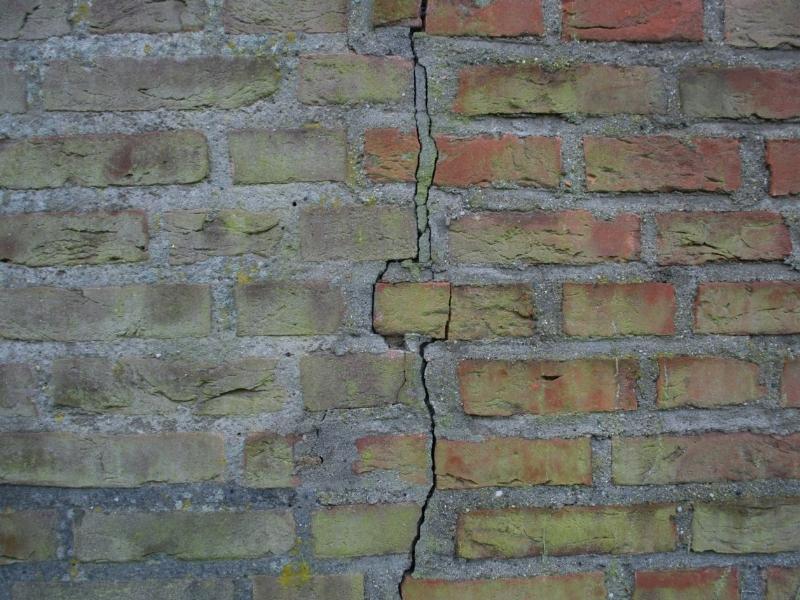
Most heat-related cracks are minor and fixable. A few point to movement in the foundation or wall, and those need a professional look soon. If you own a brick home in Fort Worth or nearby, document what you see, watch how the cracks change and call a masonry contractor when the signs below show up.
You walk the yard after a stretch of brutal heat and spot a new crack running through the brick. Maybe it is thin and tidy. Maybe it zigzags through the mortar joints. Either way, it raises the same question about whether this is harmless or the start of something serious.
Why Extreme Heat Can Cause Cracks in Brick Homes
Brick and mortar expand slightly when hot and shrink when they cool. That is normal. Problems start when the wall cannot move freely or when heat arrives alongside other stresses.
Several things can combine during a heatwave:
- Sun-baked walls expand during the day and contract at night, which stresses mortar joints.
- Older or weathered mortar is often softer and more brittle than the brick around it.
- Missing or blocked expansion joints leave the wall with no room to move.
- Clay-heavy soil can dry out and shrink during long dry, hot periods, which can shift the ground under a foundation.
North Texas homes often sit on clay soil, and clay reacts strongly to moisture changes. Soil conditions vary from lot to lot, so the effect on your house depends on the property, drainage and foundation design. Heat does not always create new damage. Sometimes it exposes a weakness that was already there.
How to Identify Heat-Related Cracks in Brickwork
Heat-related cracking usually looks small and stays small. The pattern matters more than the crack itself.
Look for these signs:
- Hairline cracks in the mortar joints, often following the joint lines
- Small gaps where mortar has pulled away from the brick
- Short cracks near corners, windows or doors that have not widened
- Cracks on the side of the house that gets the most afternoon sun
- Minor spalling, where the brick face flakes or chips
Walk the whole house, not just the spot that caught your eye. Take photos with a ruler or coin beside each crack for scale. Date them. Then check again in a few weeks.
A crack that stays the same size after temperatures settle is usually less worrying. One that grows is a different story. Mortar cracks are generally easier to repair than cracks that cut through the brick itself, though a contractor should confirm the cause.
Warning Signs That Cracks May Indicate Structural Movement
Some cracks mean the wall is moving, not just flexing. Movement often traces back to the foundation, drainage or soil, and it should not be treated as a cosmetic fix.
Be concerned if you notice:
- Stair-step cracks that follow the mortar joints diagonally up the wall
- Cracks wider than a hairline, or ones that keep growing
- Cracks wider at the top than the bottom, or the reverse
- Bricks that bulge, lean or sit out of line with the wall
- Doors and windows that now stick or will not latch
- Gaps between the brick and the window frames or the foundation
- Sloping or uneven floors inside the home
Interior signs matter. Cracks in drywall near the same spot, or doors that suddenly rub the frame, support the idea that something below or behind the brick has shifted.
A masonry contractor can describe the brickwork condition. They are not a substitute for a structural engineer or a foundation specialist. If movement is suspected, expect to involve one. Do not patch a moving wall and call it finished, because new cracks will usually reappear.
When to Call a Masonry Contractor for Brick Crack Repairs
Call a masonry contractor when cracks are growing, when mortar is crumbling or when bricks are loose or damaged. Call sooner if water can get into the wall.
Good reasons to schedule an inspection:
- Cracks that widen over a few weeks
- Loose, missing or spalled bricks
- Mortar that crumbles when you touch it
- Gaps that let rain reach the wall cavity
- Cracks near an outdoor fireplace, chimney or retaining wall
- Damage around patios, steps or walkways attached to the house
A contractor can look at the pattern, check mortar condition and test for moisture. They should explain what is cosmetic, what needs repair and what needs another specialist. If they spot signs of foundation movement or drainage trouble, a good one will say so rather than quote a quick patch.
Before the visit, gather your photos, note when you first saw each crack and list any other changes inside the house. Ask what they plan to check and what they cannot determine from the outside. Repair needs depend on the property, soil conditions, drainage, materials and the extent of the damage.
Repair Methods and Maintenance to Protect Brickwork After a Heatwave
The right repair depends on the cause. Fixing the symptom without the cause is the most common reason cracks return.
Common methods include:
- Repointing. Old mortar is ground out and replaced with new mortar matched to the wall. It is the standard fix for failing joints.
- Brick replacement. Cracked or spalled bricks are removed and replaced. Matching color and texture on older homes takes care.
- Crack sealing. Narrow, stable cracks may be filled to keep water out. This is not suitable for moving cracks.
- Expansion joint repair. Where a wall has no room to move, a contractor may add or restore joints.
- Foundation or drainage correction. If movement is the cause, other professionals may need to address it before the masonry is repaired.
Mortar type matters. Modern, hard mortar can be too stiff for older brick and can damage it. Ask the contractor how they will match the mix to your wall.
Maintenance is simple. Keep gutters and downspouts clear, and direct water away from the foundation. Check the soil near the house during dry spells and ask a foundation professional about proper watering practices if your lot has movement history. Inspect mortar each season. Keep landscaping and irrigation from soaking the base of the wall.
If your yard includes a brick patio, stone patio, retaining wall or masonry steps, check them too. Those features share soil and drainage with the house, and heat and moisture swings can affect them as well.
Frequently Asked Questions
Can a heatwave crack brick?
Yes, mostly at the mortar joints. Heat causes expansion and contraction, and dry soil can add stress to the foundation. Many cracks are minor, but growing or stair-step cracks should be inspected.
Are cracks in brick always a foundation problem?
No. Many are caused by mortar aging or normal thermal movement. Patterns such as stair-step cracks, bulging or sticking doors suggest movement and call for a closer look.
How can I tell if a brick crack is serious?
Watch for growth, wide gaps, stair-step patterns, bulging bricks and interior changes like sticking doors. Photograph the crack with a ruler and monitor it over several weeks. A professional can confirm the cause.
