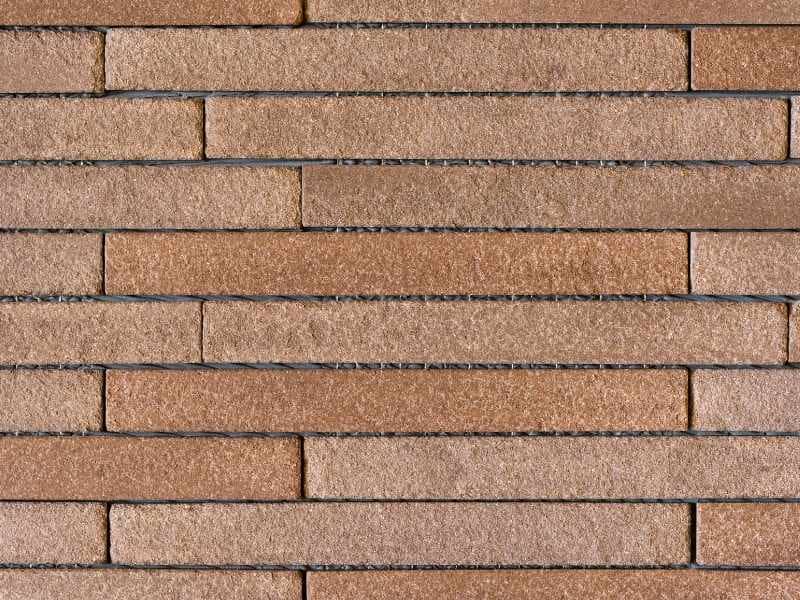
A plain block base or a flat siding wall can make a good outdoor space feel unfinished. Plenty of homeowners want the warmth of brick masonry without tearing out a wall or pouring a wider footing. Thin brick solves that problem on a lot of projects.
Thin brick is real fired clay brick made about half an inch to one inch thick. It’s set in mortar over a prepared surface, so you get the face and texture of brick without the weight of a full unit. It only performs as well as the wall behind it and the water control around it, so plan those details before you pick a color.
Where Thin Brick Works Best Around the Home
Thin brick works best on solid surfaces that won’t flex or stay wet. The base has to carry the added weight and stay stable for years. Common spots include:
- Outdoor kitchen islands built from block or framed with cement board
- Outdoor fireplace surrounds and chimney faces
- Foundation skirts and porch columns
- Accent walls on covered patios
- The face of a low retaining wall that’s already structurally sound
It’s a poor fit on a wood fence, a cracked block wall, or a retaining wall that’s leaning. Veneer over a structural problem only hides it for a while. If you’re unsure about a wall’s condition, have a mason or engineer check it before you choose a finish.
Choosing Thin Brick for Texture and Durability
Pick thin brick the same way you’d pick full brick, by look and by rating. For outdoor work, ask for units made for exterior exposure, since some products are meant for interiors only. Faces range from smooth and wire-cut to tumbled, sand-struck, and reclaimed styles. A rougher face reads older and hides small joint variations, while a smooth face looks cleaner and more modern.
Corner pieces matter more than most people expect. These are L-shaped units that wrap an outside corner, so the edge shows a brick end instead of a thin slice. Skipping them is the quickest way to make veneer look fake. Ask your installer whether the product line includes matching corners and how many the project needs.
Planning Transitions Between Brick and Outdoor Materials
Transitions are where thin brick projects look either custom or patched. Every spot where brick meets a stone patio, a countertop, a cap, or siding needs a plan. Decide on each edge detail before the first brick goes up.
In an outdoor kitchen, a countertop with a small overhang protects the top course and sheds water. On an outdoor fireplace, a cap or mantel ledge does the same job. Where veneer runs down to a brick patio, brick pavers, or stone pavers, leave a clean joint instead of butting it tight to the paving. That break gives each surface room to move with heat and soil changes.
Mixing materials works when there’s a reason for it. A stone retaining wall can sit comfortably beside a thin brick kitchen if the colors share a tone and the mortar ties them together. Two or three materials repeated around the yard usually look planned, while five or six start to look busy.
Managing Drainage Around Thin Brick Installations
Water is the main threat to adhered masonry. Thin brick doesn’t have the mass of a full wall, so moisture behind it has fewer places to go. Most exterior systems use a water-resistant barrier, metal lath, and a scratch coat behind the brick, with a way for water to exit at the bottom. The exact system depends on the wall type, the product, and local code, so follow the manufacturer’s instructions and your installer’s design.
Grading around the base matters just as much. Patios, walkways, and soil should slope away from veneered walls, never toward them. Keep the bottom course off the ground and out of standing water. Sprinklers that spray the wall daily will stain the mortar, and a slab that settles can crack the brick above it, so check for low spots and poor downspout drainage before work begins.
Maintaining Thin Brick for Long-Term Performance
Thin brick needs about the same care as any brick masonry. Walk the installation once or twice a year and look at the joints, the bottom edge, and the top cap. Fix hairline cracks, loose units, or missing mortar early, before water gets behind them.
Clean with a soft brush, water, and a mild cleaner made for brick. High-pressure washing can erode joints and force water behind the veneer, so keep the pressure low. White chalky residue is usually efflorescence, which means water is moving through the masonry. Brush it off dry, then track down where the water is coming from.
Sealers are optional and depend on the brick. If you use one, choose a breathable product that lets vapor escape. Ask your mason which sealers work with your specific material before applying anything.
Frequently Asked Questions
What is thin brick?
Thin brick is fired clay brick made much thinner than a standard unit, usually about half an inch to one inch thick. It’s installed in mortar over a prepared wall surface. From the front, it looks like a full brick wall with real joints and texture. It’s often used where full brick would be too heavy or would need a new footing.
Can thin brick be installed outdoors?
Yes, as long as the product is rated for exterior use and the wall is built for outdoor exposure. Outdoor kitchens, fireplaces, and column wraps are common uses. The installation needs a moisture plan, including a barrier and a way for water to drain at the base. Requirements vary by product and local code, so check both before starting.
Can thin brick go over an existing wall?
Often it can, but it depends on the wall. Concrete, block, and properly prepared framed walls usually accept it well. Painted surfaces, damaged stucco, and walls that flex need repair or a new substrate first. A mason should inspect the wall before you buy materials.
How long does thin brick last?
A well-installed thin brick wall can last for decades. The brick holds up well because it’s the same fired clay used in full brick. Most failures come from water getting behind the veneer or from a base that moves. Good drainage, a solid substrate, and early joint repair make the biggest difference.
Will thin brick match my existing brick?
It can come close, but an exact match isn’t guaranteed. Brick color varies by batch, and older brick has weathered for years. Comparing samples outside in daylight is the best way to judge. A complementary color sometimes looks more intentional than a near-match.
