A fire pit is one of the few backyard projects people use in almost every season. It’s also one of the easiest to get wrong, since a pit that’s too close to the house, built with the wrong stone, or set on a weak base can crack, shift, or create a real safety risk. Many problems start with a kit stacked on bare soil or a design that ignores how people move around the yard. Working with a masonry contractor from the planning stage helps you end up with a fire pit that’s safe, sized right, and built to handle years of heat and weather.
Evaluating Backyard Space and Safe Fire Pit Placement
Placement comes first because it’s hard to change later. A fire pit needs open space around it, away from the house, fences, sheds, and overhanging branches. Wind direction matters too, since smoke drifting toward doors and windows gets old fast.
Local rules may set minimum distances from structures and property lines. HOAs can have their own limits, and some areas restrict wood burning during dry periods. Requirements vary by property and jurisdiction, so check with your local fire department or code office before choosing a spot.
Look at the ground as well. Low spots that collect water make poor fire pit locations. A masonry contractor will check slope, drainage, and access so the pit sits on a spot that stays dry and is easy to reach.
- Clear distance from the house, fences, and sheds
- No low branches or overhangs above the pit
- Prevailing wind direction away from doors and windows
- A level or easily leveled area that drains well
- Any HOA or local burning rules
How a Masonry Contractor Plans Fire Pit Dimensions and Layout
Fire pit size affects comfort, safety, and how the space feels. A pit that’s too small looks lost in a big yard, while one that’s too large can overpower a small patio and push seating too far back. A masonry contractor sizes the pit to your yard, your seating, and the number of people you usually host.
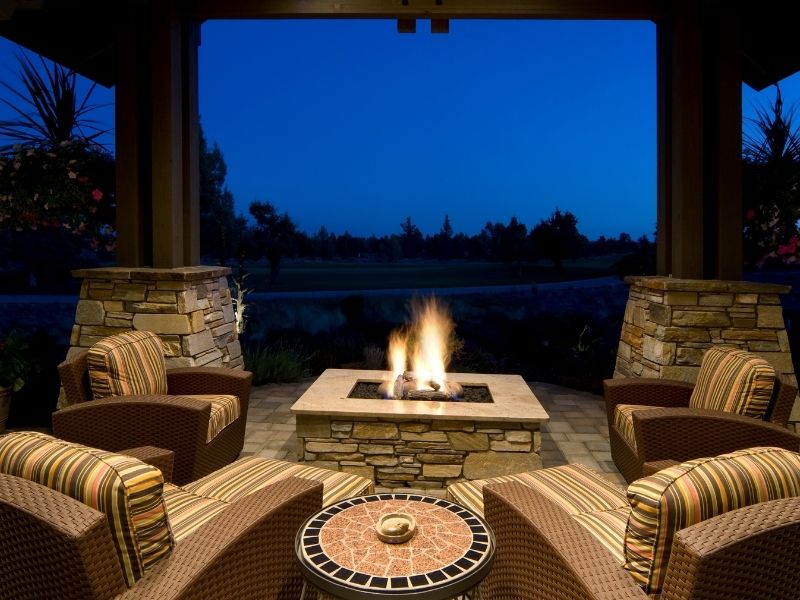
Height matters too. Low pits feel casual and work well with lounge chairs. Taller walls can double as extra seating or a place to rest a drink, but they need to stay comfortable to sit near.
Leave room for movement around the pit. People need space to walk behind chairs without getting close to the flames. Your contractor can lay out the pit and seating together so the whole area flows naturally.
Selecting Heat-Resistant Materials for a Durable Fire Pit
Not every masonry material handles direct flame well. Firebrick is made to take high heat and is a common choice for lining the inside of a pit. Many builds use a firebrick lining or a steel insert ring with brick masonry or stone masonry on the outside for appearance.
Some stones aren’t a good match for the fire zone. Porous rocks that hold moisture, like many river rocks, can crack or break apart when heated quickly. A contractor can tell you which stones work for the outer wall and which should stay away from the flame.
Mortar matters as much as the brick or stone. Heat-resistant or refractory mortar is often used where joints face the fire. Brick and stone choices for the exterior can depend on appearance, existing masonry, maintenance, and budget, and matching your brick patio or stone patio helps the pit look like part of the yard.
Building a Stable Foundation and Proper Fire Pit Structure
A fire pit is heavy, and it needs a solid base. Depending on the design and soil, that may be a compacted gravel base, a concrete footing, or an existing slab in good condition. Setting masonry on loose or unprepared soil is a common reason fire pits crack or lean.
Drainage belongs in the structure, too. Rainwater that collects in the bottom of the pit can damage the masonry and make the pit messy to use. Many designs include gravel at the base and small openings so water can drain out.
Gas fire pits add another layer. They need a properly sized burner, gas line, and ventilation openings. Gas line work should be handled by a qualified professional, and the masonry contractor will build around the burner and its clearance requirements.
Coordinating Fire Pit Installation With Outdoor Living Features
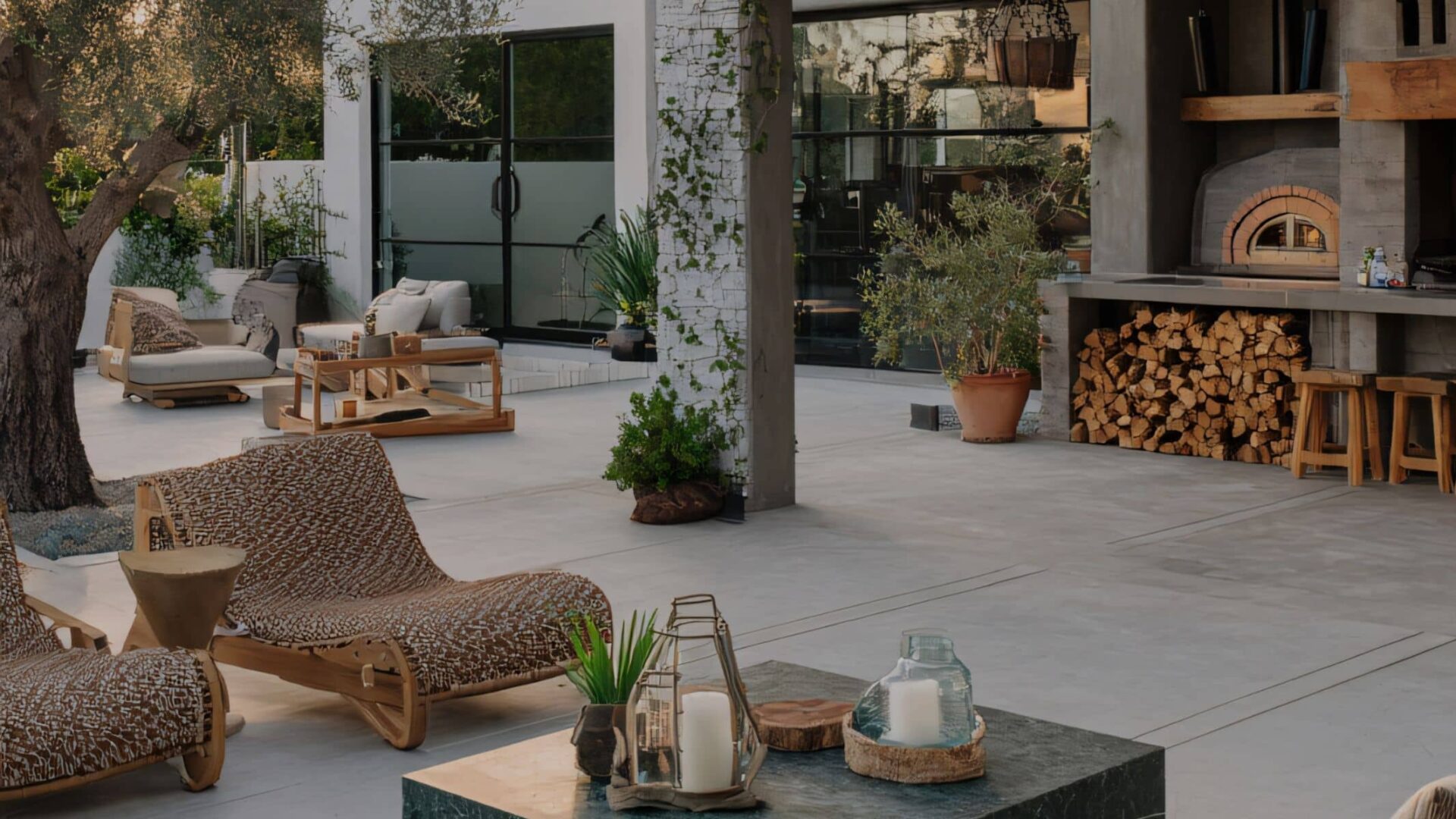
A fire pit rarely stands alone. It often sits near a patio, seating wall, retaining wall, or outdoor kitchen. Planning these features together helps the yard work as one connected space.
Transitions are worth getting right. If the pit sits on brick pavers or stone pavers, the base under the paving needs to support the pit’s weight. Where the pit area meets lawn or planting beds, a clean edge keeps gravel and soil from spreading.
Think about how the pit fits with other heat sources. If you already have an outdoor fireplace or plan an outdoor kitchen, spacing and seating should work for both. A masonry contractor can match materials and line up the layout so the whole outdoor area feels intentional.
Frequently Asked Questions
Why hire a masonry contractor instead of using a fire pit kit?
Kits can work in simple settings, but they often skip proper base prep and drainage. A masonry contractor sizes the pit to your yard, chooses heat-appropriate materials, and builds a solid foundation. The result usually lasts longer and fits your existing hardscape better. It also reduces the chance of cracking or shifting.
How far should a fire pit be from my house?
The required distance depends on local rules, HOA standards, and the type of fire pit. Wood-burning pits often need more space than gas units. Check with your local fire department or code office before you build. A contractor can help you place the pit within those limits.
What materials work best inside a fire pit?
Firebrick and steel insert rings are common choices for the inside of a pit. They’re designed to handle direct heat. Many owners use regular brick or stone on the outside for appearance. Avoid porous stones near the flame, since they can crack when heated.
